
Repair or Replace: How Lancaster Homeowners Decide
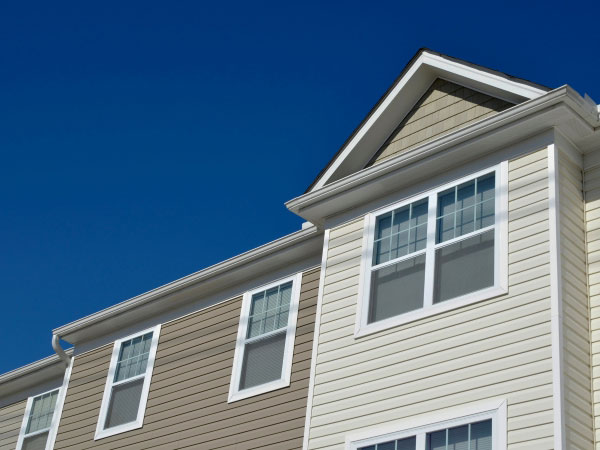
When siding starts to crack, loosen, warp, or show other visible damage, the next question is whether a targeted repair is enough or whether replacement makes more sense. For a Lancaster, PA home, that decision should be based on how widespread the problem is, whether the wall assembly underneath has been affected, and whether repairs would solve the cause rather than only improve the appearance.
CD Beiler Construction confirms siding as part of its residential construction scope and serves Lancaster as its top-priority city. Homeowners can call (717) 747-4037 to discuss the condition of the exterior and the scope that should be evaluated.
Localized Damage May Still Support a Repair
A small damaged area does not automatically mean all of the siding needs to be replaced. If the problem is limited, the surrounding siding remains serviceable, and the wall behind it is in good condition, a repair may be practical.
The important question is whether the visible defect is isolated. A contractor should look beyond the first loose, cracked, or damaged section and check nearby areas for similar deterioration, moisture entry, failed trim details, or repeated problems that could change the recommendation.
Widespread Deterioration Can Change the Scope

Replacement becomes more relevant when damage appears across multiple walls or when the siding is no longer performing consistently. Repeated cracking, warping, loose sections, open joints, or broad areas of deterioration can make a series of small repairs less practical.
Fading by itself is usually an appearance issue rather than proof that siding has failed, so it should not be treated as an automatic replacement trigger. The better decision is based on condition, water management, attachment, wall details, and whether damaged areas can be repaired effectively.
Moisture Behind the Siding Needs Attention
Damage behind the siding can matter more than what is visible on the surface. Staining, soft materials, deteriorated sheathing, or other signs of moisture may indicate that the project needs more than a cosmetic repair.
The exact cause still needs to be identified. Water can enter around windows, doors, trim, penetrations, flashing, roof-to-wall transitions, or damaged siding details. The repair or replacement scope should address the source of the problem instead of simply covering it with new material.
Age Alone Does Not Decide the Question
Older siding may deserve closer evaluation, but there is no single age at which every home needs replacement. Service life varies with the siding material, installation, exposure, maintenance, and conditions around the house.
Instead of relying on age alone, ask whether the existing siding is still secure, weather-resistant, and repairable. If the system continues to perform well, age may be only one planning factor. If age is combined with widespread deterioration and repeated repair needs, replacement may become the more practical option.
Energy Bills Are Not a Standalone Replacement Test
Higher heating or cooling costs can come from many parts of a house, including insulation, air leakage, windows, doors, HVAC performance, and occupant use. Siding replacement should not be presented as a guaranteed way to reduce utility bills.
If exterior wall insulation or air-sealing improvements are being considered as part of a siding project, ask what work is actually included and how it fits the existing wall assembly. That keeps energy-related decisions tied to the full project rather than to the siding surface alone.
Ask What the Contractor Found and Why It Matters
A useful proposal should explain what was observed, which areas are repairable, which areas are not, and what conditions could change the scope once work begins. Ask whether the project includes removal of damaged materials, wall or sheathing repairs, trim work, flashing details, disposal, and any preparation needed before new siding is installed.
CD Beiler Construction’s siding contractor page for Lancaster provides related context for planning siding work. Homeowners comparing broader improvements can also review the company’s home remodeling services in Lancaster.
Plan Related Exterior Work at the Same Time
If siding replacement is part of a larger exterior project, it can help to review other work before finalizing the sequence. Door and window changes, decks, porches, additions, or other exterior improvements may affect access, flashing, trim, or wall transitions.
For homeowners planning outdoor work as well, CD Beiler Construction’s deck builder page for Lancaster provides another relevant project-planning reference.
Siding Replacement in Lancaster, PA
CD Beiler Construction is a family-led company with more than 10 years of experience serving its region. Its approved client facts emphasize integrity, honesty, hard work, and quality craftsmanship.
If you are deciding between siding repair and replacement in Lancaster, call (717) 747-4037 to discuss the visible damage, underlying conditions, and what should be evaluated before choosing a scope.
Frequently Asked Questions
Can siding be repaired instead of replaced?
Yes, when damage is localized and the surrounding siding and wall assembly remain serviceable. The cause and extent of the damage should be checked before the scope is set.
What signs make full siding replacement more likely?
Widespread deterioration, repeated failures, damaged wall materials, or a system that can no longer be repaired effectively can support a replacement discussion.
Will new siding automatically lower my energy bills?
No. Energy use depends on insulation, air leakage, windows, HVAC performance, and other factors, so any efficiency improvements should be evaluated as part of the complete wall and home system.