
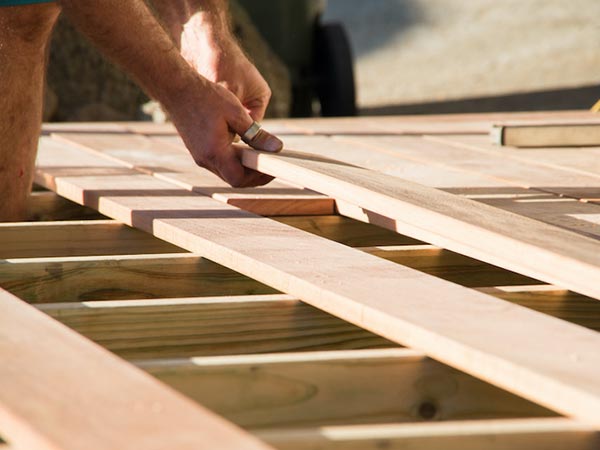
A deck adds valuable outdoor living space to a home, but it is also a structural addition that needs to be carefully planned and built. For homeowners in Lancaster, PA, choosing the right deck builder influences everything from the materials and layout to the construction process and how well the finished deck holds up over time.
CD Beiler Construction handles deck building projects in Lancaster, PA. Call (717) 747-4037 to discuss your plans with an experienced deck builder.
Working with a knowledgeable deck builder can simplify the planning process, support quality construction, and create an outdoor space designed for years of use and enjoyment.
Deck Builder Differences Show Up in Year Five
The parts of a deck that fail first are the parts you cannot see. Finish work is what you notice, while framing, connections, and water management decide whether the deck is still solid once the boards have weathered.
Problems that surface later fall into three groups. Movement comes from footings that were not taken deep enough or sized for the load above. Rot appears wherever water sits against wood, usually at the ledger or on top of the joists. Rails wobble when posts are fastened to the rim board instead of tied into the framing.
None of that shows in a photo of a finished deck. It is settled during a few hours of framing early on, which is why the questions worth asking a builder are structural rather than cosmetic.
What Sits Under a Deck Matters Most

Footings: A deck moves its entire load into a handful of points in the ground. Footings have to reach below the local frost line so seasonal freezing and thawing cannot lift them, and each one is sized for the load its post carries. Shallow or undersized footings are the most common reason a deck settles unevenly.
The ledger: The ledger is the board that fastens a deck to the house, and it carries much of the load. It has to be attached with structural hardware into the house framing rather than into sheathing, and flashed so water running down the wall is carried out over the deck instead of behind it. A poorly flashed ledger rots the rim joist of the house itself.
Hardware and joist protection: Connections at posts, beams, and joists rely on galvanized or stainless hardware rated for exterior use and for contact with treated lumber. Many builders also run a protective tape along the top of each joist so water passing between deck boards cannot sit on the framing. Neither step is visible when the deck is finished, and both add years.
A Deck Builder Should Explain Material Trade-Offs
There is no universally correct decking material, only trade-offs worth understanding before making a choice.
Pressure-treated lumber is one of the most economical and widely used options. It handles outdoor exposure well and can be stained in a variety of finishes, although the boards may move as they dry and require periodic cleaning and resealing to maintain their appearance.
Cedar and other naturally durable woods offer a distinctive appearance and tend to stay cooler underfoot. They also require periodic finishing to preserve their original color rather than allowing the wood to naturally weather to gray.
Composite and PVC boards cost more upfront but require less ongoing maintenance than traditional wood. They resist rot and splintering and generally retain their appearance well, although darker colors can become noticeably warmer in direct sunlight.
Joist spacing also depends on the decking material and product being installed. While 16 inches on center is common for many wood and composite applications, some products or installation patterns require closer spacing. Checking the manufacturer’s specifications during the framing stage ensures the structure is properly built to support the selected decking.
Site Conditions Shape the Design
Design starts with the property, not the catalog. Grade changes decide whether the deck steps down from the house or needs stairs and guardrail, soil that holds water affects footing work, and mature trees mean roots to work around.
How you intend to use the space belongs in the same conversation. A deck built around a table and six chairs needs different dimensions than one built around a grill, and a builder who asks is designing for your household.
Access is the constraint homeowners forget. A backyard reached only through a narrow gate changes how material arrives and how long the build takes. Permit requirements also vary by municipality, so confirm early what applies to your property.
Expert Local Deck Builder in Lancaster
A qualified local deck builder brings more to a project than construction experience. Familiarity with local suppliers, seasonal conditions, materials, and proven building methods can make a meaningful difference in how well a deck performs over time. Homeowners should consider details such as footings, ledger flashing, hardware, and material options when comparing contractors rather than focusing on price alone.
CD Beiler Construction handles deck building projects in Lancaster, PA. Call (717) 747-4037 today to discuss your plans with an experienced deck builder.
Choosing a contractor based on workmanship, materials, and construction details can help ensure your new deck is built for lasting strength, safety, and everyday use.
FAQ
How long does a pressure-treated deck last?
Well-built pressure-treated decks commonly serve 15 to 25 years, and the framing often outlasts the boards. Regular cleaning and resealing keeps one at the upper end of that range.
How often should a wood deck be cleaned and sealed?
Most wood decks need a wash and a fresh coat of stain or sealer every two to three years, sooner if the surface takes direct sun all day.
Can new decking be installed over an existing deck frame?
Only when the frame is sound. A builder checks footings, ledger attachment, joist condition, and spacing first, since composite boards often need closer spacing than older framing provides.