
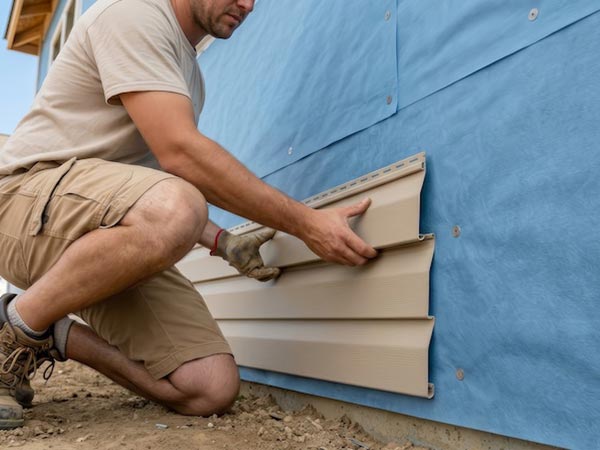
Replacing the siding on a home is a significant exterior project, and homeowners in Lancaster, PA may find that estimates vary considerably from one contractor to another. Several factors influence the overall cost, including the size and design of the home, siding material, condition of the existing exterior, and accessibility of the property. An experienced siding contractor can explain these factors and help homeowners understand what is included in their estimate before work begins.
CD Beiler Construction handles siding projects in Lancaster, PA. Call (717) 747-4037 to discuss your project with an experienced siding contractor.
Understanding the scope, materials, and condition of your home can make it easier to compare estimates and plan a siding project that fits your property and budget.
Siding Contractor Scope and Costs
Square footage is the starting point, and it is the part most homeowners already understand. What moves a quote up or down from there is complexity. A simple two-story rectangle with few windows and doors takes less labor per square foot than a home with dormers, gables, bay windows, and multiple rooflines.
Every corner, window, and transition is a place where material has to be cut, fitted, and trimmed. Those details add labor and can increase material waste. Two homes with the same wall area can sit noticeably apart in price for that reason alone.
Height matters too. Work reached from ladders moves faster than work that needs staging or lift equipment. Homeowners have little control over the shape or height of the house, but they can often adjust material choices and project scope to help manage the overall cost.
Scope Decides More Than Material Choice

The first question is whether the project is a full replacement or a partial one. Replacing every elevation creates a consistent appearance and allows the crew to address the entire wall assembly at once. Replacing one or two sides costs less upfront but can leave differences in color and age that may be difficult to blend later.
The second question is what happens underneath. Removing old siding exposes the sheathing and may reveal water damage or deterioration that was not visible beforehand. Because these repairs are difficult to predict before tear-off, a thorough contractor will explain how additional work will be handled and priced if problems are discovered.
The third question is what else is included in the project. Trim, soffit, fascia, and gutters may be replaced at the same time because the crew and equipment are already on site. Bundling related work can sometimes reduce the cost and disruption of completing separate projects later. Once the scope is established, material selection becomes another major factor in the overall price.
Material Selection Moves the Budget Both Ways
Vinyl, engineered wood, fiber cement, and metal all sit at different points on cost, weight, and upkeep. The gap between the least and most expensive options is significant, and it shows up in labor as well as material, since heavier products need more handling and more precise cutting.
The useful way to think about it is total cost over the time you plan to own the home. A less expensive product that needs attention sooner may cost more across twenty years than a heavier product installed once. A more expensive product on a home you plan to sell in three years may never return the difference.
Color and profile choices within a product line also carry price differences. Specialty finishes and architectural profiles cost more than standard offerings, which is worth knowing before you fall for a sample.
Upkeep belongs in the comparison as well. Some products need repainting on a cycle, others need washing and little else. A homeowner who has no interest in being on a ladder every few years should weigh that as part of the price rather than as a separate concern later. The last variable has nothing to do with what goes on the wall and everything to do with how the crew reaches it.
Site Access
How a crew reaches the walls affects the labor line more than most homeowners realize. Tight lot lines, mature landscaping, decks, fences, sheds, and steep grade all slow setup and teardown. So does a driveway that cannot hold a dumpster or a material delivery.
Preparation work belongs in the same category. Shutters, light fixtures, downspouts, satellite dishes, and cable runs have to come off and go back on. Overgrown plantings need to be tied back or trimmed. Some of that a homeowner can handle in advance, which shortens the crew time being paid for.
Asking a contractor to walk the property with you and point out the access issues gives you a clear view of what is driving the estimate and where you might reasonably reduce it.
Planning a Realistic Budget with a Siding Contractor
A dependable siding estimate starts with a thorough evaluation of the property. An experienced siding contractor will measure the home, assess the condition of the existing exterior, and explain how unexpected issues discovered during removal will be handled. This gives homeowners a clearer understanding of the project and makes it easier to compare estimates based on the actual scope of work rather than rough square footage alone.
CD Beiler Construction handles siding projects in Lancaster, PA. Call (717) 747-4037 today to discuss your project with an experienced siding contractor.
A detailed estimate helps homeowners understand potential costs upfront, compare contractors more accurately, and move into their siding project with fewer surprises.
FAQ
How do I compare quotes from different siding contractors?
Line up the scope first, since one quote may include trim, wrap, or disposal that another leaves out. Compare the written scope before comparing the totals.
Can new siding be installed over the old siding?
Sometimes, though, covering the old layer hides the sheathing condition underneath. Most contractors prefer removal so any damage is found and repaired.
How long does a siding project usually take?
Most single-family homes take several days to a couple of weeks depending on size, complexity, and weather. Repairs found during tear-off can extend it.