
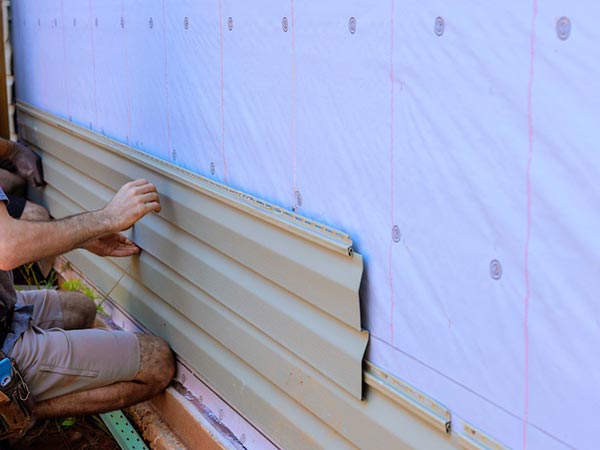
Weather and seasonal conditions can play an important role in planning exterior projects in Lancaster, PA. Temperature, moisture, and changing conditions can affect materials, drying time, and the overall installation schedule. Because siding installation temporarily exposes portions of the home’s exterior during the project, careful scheduling helps keep the work moving while protecting the structure throughout the process.
CD Beiler Construction handles siding installation in Lancaster, PA. Call (717) 747-4037 to discuss your project and determine the right timing for your home.
Planning siding installation around local conditions can help support proper installation, minimize delays, and provide lasting protection for your home’s exterior.
Weather Shapes Siding Installation Schedule
Once the old siding is removed, the sheathing and weather resistant barrier become critical to protecting the wall assembly. Crews typically work in sections, limiting how much siding is removed at one time so exposed areas can be properly protected as work progresses.
That process is more straightforward in stable weather and can become more challenging when conditions change. Steady rain, high winds, or extreme temperatures may limit how much of the wall can be safely exposed at once, potentially extending the project timeline.
Temperature also affects how siding materials behave during installation, making it an important consideration beyond scheduling alone.
Temperature Impact on Materials

Siding materials expand and contract with temperature, and installers account for that by leaving specific clearances at fasteners and end laps. Material installed on a cold day will expand as the season warms, so the gaps left behind matter.
Some products become less forgiving in cold weather. Vinyl grows more brittle as temperatures drop and can crack when cut or nailed. Sealants and adhesives have minimum application temperatures below which they do not cure properly.
None of that rules out cold-weather work. It does mean an installer has to adjust technique and product selection rather than working the same way year round, and it is a fair question to ask before scheduling a winter project.
Heat creates the opposite concern. Siding installed on a very hot day is already expanded, so it contracts as temperatures fall. If proper clearance is not maintained during installation, gaps or other issues can develop as the material moves.
Experienced crews account for temperature and follow manufacturer requirements for spacing and installation. Temperature changes can usually be managed with proper technique, while moisture creates a different set of concerns that may remain hidden behind the siding.
Moisture Issues
The visible siding is a rain screen. The weather-resistant barrier behind it is what actually keeps water out of the structure. Installing new siding over a damp or damaged barrier traps moisture where it cannot dry.
That is why tear-off is the moment to look closely. Staining on the sheathing, soft spots around windows, and dark streaks below flashing all point to water that has been getting in. Those areas need to be dried and repaired before anything new goes over them.
Humidity during installation matters for the same reason. Sheathing that has taken on moisture needs time to dry before it gets covered, and rushing that step puts the problem behind a brand new wall where nobody will see it.
Flashing is another detail worth watching while the wall is open. Window heads, door trim, and any place the wall meets a roofline depend on flashing to send water out instead of in, and those pieces are far easier to correct with the siding off than after it goes back on. The ground the crew is standing on matters for the same practical reasons.
Site Conditions That Slow a Siding Installation
Ground conditions decide where staging, ladders, and lifts can go. Soft or saturated soil after a wet stretch limits equipment placement and can push work to a later week.
Landscaping, decks, and outbuildings close to the wall reduce working space and slow the pace. Mature plantings often need to be tied back or protected, and that adds setup time at the start and cleanup at the end.
Access for deliveries and debris removal is the last piece. A crew that has to carry material a long distance or stage a dumpster off site loses time on every trip. Walking the property with the installer beforehand sorts most of this out early.
Weather during the project affects the site as much as the wall. A wet stretch turns a working yard into mud, which slows material handling and can cost the crew a day even after the sky clears.
Timing a Siding Installation in Lancaster
Spring and fall often offer favorable conditions for siding projects, but quality installation can take place throughout the year when the work is planned around the weather. More important than the season itself is how the crew adjusts installation methods to current temperature and moisture conditions while protecting exposed areas of the home throughout the project.
CD Beiler Construction handles siding installation in Lancaster, PA. Call (717) 747-4037 today to discuss your project and determine the right approach for your home.
Careful planning and attention to changing weather conditions can help keep the installation on track while supporting lasting performance from the new siding.
FAQ
Can siding be installed in winter?
Yes, with adjustments. Installers change cutting and fastening technique in the cold and may avoid products that grow brittle at low temperatures.
What happens if it rains during a siding installation?
Crews close up open sections and pause. Work resumes once the sheathing is dry, since covering damp sheathing traps moisture in the wall.
Does the house need a wrap or barrier under new siding?
A weather-resistant barrier is standard practice on modern installations. Your installer will confirm what the existing wall has and what it needs.