
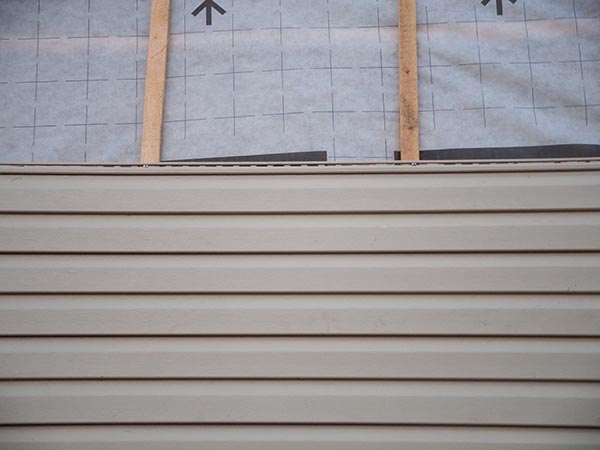
Cracked, loose, or damaged siding may appear to be a minor issue, but sometimes visible damage can point to a larger problem beneath the surface. Siding repair is often the right solution when the damage is localized and the wall behind it remains in good condition. A professional evaluation can help homeowners determine whether a targeted repair is enough or more extensive work is needed.
CD Beiler Construction handles siding repair in Lancaster, PA. Call (717) 747-4037 to have damaged siding evaluated and determine the right approach for your home.
Addressing siding damage early can help prevent moisture problems, preserve the surrounding materials, and avoid more extensive repairs in the future.
When Siding Repair Beats Replacement

Repair makes sense when the damage has a clear cause and is limited to a specific area. A branch that strikes one elevation during a storm, a panel cracked by a ladder, or a section pulled loose by wind are all examples of localized damage that may be suitable for repair.
Replacement becomes the better option when damage is widespread, the siding has reached the end of its usable life, or the materials behind it have been compromised. Age is also part of that decision. Investing in repairs may not make sense if the rest of the siding is already approaching the point where replacement will be necessary.
The extent of the damage ultimately guides the decision. Problems limited to the siding surface are generally more straightforward to repair, while damage that extends into the underlying wall assembly may require a more extensive solution.
Damage Defines Your Decision
A few claims are a little too definite, especially “restores the wall,” “refastening correctly solves it,” and the statement that fading and chalking never involve other concerns. I’d make those more conditional while keeping the confident tone.
Impact damage is often the clearest case. Cracks, punctures, and dents from hail, debris, or equipment may affect specific panels while leaving the surrounding siding intact. When the damage is truly localized, replacing those panels can restore the affected area without requiring a larger replacement.
Loose or rattling sections can result from fastening problems rather than failure of the siding itself. Fasteners may loosen over time, or improper installation can prevent panels from moving naturally with temperature changes. If the surrounding material remains in good condition, correcting the fastening issue may be enough to secure the siding.
Warping and buckling can also result from improper installation. When panels do not have enough room to expand and contract, temperature changes can cause them to push against one another and bow. If the material has not been permanently damaged, adjusting and properly securing the affected sections may correct the problem.
Fading and chalking are primarily appearance concerns when the siding itself remains intact. Depending on the material, cleaning or painting may improve its appearance without requiring replacement. Other symptoms, however, can indicate problems beneath the siding and require a closer look at the underlying wall assembly.
Signs the Problem Is Behind the Siding
Some symptoms suggest water has already gotten past the siding. Soft or spongy areas when you press on the wall point to sheathing that has absorbed moisture. So does siding that has separated from the wall without any impact to explain it.
Interior clues carry weight too. Peeling paint or wallpaper on an exterior wall, a persistent musty smell in one room, or staining near a window head often trace back to a failed detail outside rather than anything indoors.
Growth is another signal. Mildew or moss on one section of siding usually means that area stays wet longer than the rest, whether from a drainage problem, a gutter issue, or a flashing detail that is not shedding water.
Where the damage sits matters as much as what it looks like. Problems clustered below a roofline, around a chimney, or under a window usually trace back to a flashing or drainage detail rather than to the siding, and replacing panels there without correcting the detail puts you in the same place next year. Once water has been getting in, a repair on its own stops being the whole answer.
What a Siding Repair Cannot Fix
Repair addresses the siding. It does not address a wall that has been taking on water, and covering damage without correcting the source guarantees a return visit.
When the sheathing or framing behind the siding has been wet for an extended time, the scope changes. That material has to be opened, dried, and replaced before new siding goes over it, and the affected area is usually larger than the visible damage suggested.
Matching is the other practical limit. Older profiles and colors are not always still available, and weathering shifts the appearance of existing siding over time. A repair on a prominent elevation may be visible even when the work itself is sound.
Cost enters the picture at a certain point as well. When repairs start covering a large share of an elevation, the labor to patch approaches the labor to replace, and replacement leaves you with a uniform wall instead of a patched one.
Get a Straight Answer on Siding Repair
Determining whether siding can be repaired starts with looking beyond the visible damage. A thorough inspection should check for moisture, examine how the siding is fastened, and evaluate the condition of the wall behind it. Understanding what is causing the problem helps homeowners make an informed decision rather than repairing the surface only to have the issue return.
CD Beiler Construction handles siding repair in Lancaster, PA. Call (717) 747-4037 today to have your siding evaluated and determine the right solution for your home.
A careful inspection can help prevent repeat problems, protect the structure beneath the siding, and ensure repairs address the actual source of the damage.
FAQ
Can siding be matched on an older home?
Sometimes. Discontinued profiles and faded colors make exact matches difficult, so installers may pull material from a less visible elevation to patch a prominent one.
How long does a siding repair take?
Most contained repairs are a single-day job. Repairs that uncover damage behind the siding take longer because that work has to be completed first.
Will homeowners insurance cover siding damage?
Coverage generally depends on the cause. Sudden events like storm or impact damage are treated differently from gradual wear, so check your policy terms.