
Most building owners think about shingles and underlayment when they plan a roof, but the hidden factor that quietly determines how long it lasts is airflow. For commercial shingle roofing in Baldwin, PA, ventilation is one of the most overlooked drivers of long-term performance. At CD Beiler Construction, we have seen how the right ventilation strategy extends roof life across Pennsylvania buildings, and how the lack of it shortens that life fast. Call us at 717-747-4037 to have your building assessed.
How Ventilation Affects Commercial Shingle Roofing
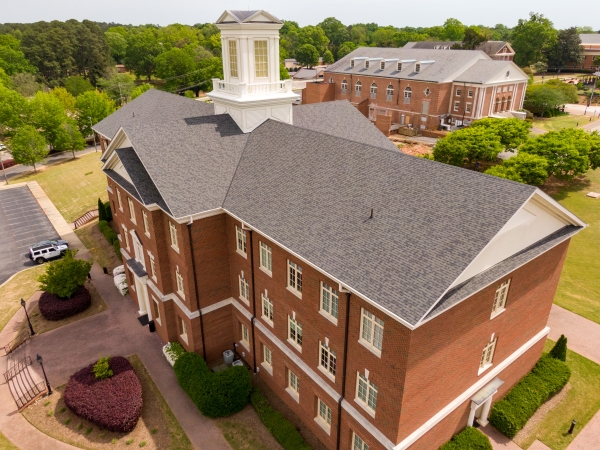
Ventilation controls the temperature and moisture levels in the space directly beneath the roof deck, and both of those factors have a direct effect on how long shingles last. A roof that cannot breathe traps heat and humidity against the underside of the deck, accelerating wear from the inside out. On a commercial building with a large roof area, the cumulative damage from poor airflow adds up quickly. Understanding how ventilation works helps owners protect an investment that should last decades.
What makes this so easy to miss is that the shingles themselves can look fine from the ground while the damage builds underneath. Owners often replace a roof years earlier than they should, assuming the shingles simply wore out, when the real culprit was a roof cavity that never had a way to release heat and moisture.
Trapped Heat Shortens Shingle Lifespan
In summer, an under-ventilated attic or roof cavity can reach extreme temperatures, well above the outdoor air. That trapped heat bakes the shingles from below while the sun bakes them from above, and the combination breaks down the asphalt and protective granules far faster than normal aging would. The result is premature curling, cracking, and granule loss. Proper intake and exhaust ventilation lets that hot air escape and draws cooler air in, keeping deck temperatures down and slowing the thermal wear that ages a commercial shingle roof before its time.
Handling Moisture

Heat is only half the story. The bigger long-term threat from poor ventilation is moisture. Warm, humid air rising inside a commercial building carries moisture up toward the roof deck, and without a path to escape, that moisture condenses against the cold underside of the sheathing in Pennsylvania’s colder months. Over time, that condensation leads to wood rot, mold growth, and degraded insulation, all of which compromise the structure supporting the shingles above. A balanced ventilation system moves that moist air out before it can condense, protecting the deck and everything attached to it.
This matters even more on commercial buildings that generate their own interior moisture, such as those with kitchens, laundry operations, or any process that puts humidity into the air. The more moisture rising toward the deck, the harder a ventilation system has to work to keep it from collecting. Matching the airflow to how the building is actually used keeps the roof structure sound through a Pennsylvania winter.
Why Balanced Airflow Protects Commercial Shingle Roofing
Effective ventilation is not about adding as many vents as possible. It is about balance between intake and exhaust. Air needs to enter low, usually at the eaves or soffits, and exit high, at or near the ridge, creating a continuous flow that carries heat and moisture out. When intake and exhaust are mismatched, the system short-circuits and stops working as intended. A contractor who understands this balance designs the ventilation to match the building’s size and roof geometry, which is what separates a commercial shingle roof that reaches its full lifespan from one that fails years early.
Protect Your Commercial Shingle Roofing with Proper Ventilation
Ventilation is the quiet factor that decides whether a commercial shingle roof lasts its full life or fails early in Baldwin, PA. Getting it right takes a contractor who looks past the shingles to the system underneath. At CD Beiler Construction, we design and install commercial shingle roofing across Pennsylvania with airflow built into the plan from the start. Call us at 717-747-4037 to schedule an assessment.
FAQ
How does poor ventilation damage a shingle roof?
Trapped heat bakes shingles from below and trapped moisture rots the deck, both shortening the roof’s usable life.
What are signs of a poorly ventilated commercial roof?
Premature shingle curling, high cooling bills, attic moisture, mold, and ice dams in winter all point to ventilation problems.
What is balanced roof ventilation?
It is an equal match of intake vents low on the roof and exhaust vents high, creating continuous airflow through the cavity.
Can ventilation be improved on an existing commercial roof?
Yes, a contractor can often add or rebalance intake and exhaust vents without replacing the entire roof system.