
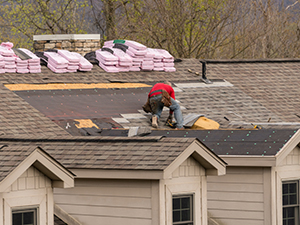
For commercial building owners in Ardmore, PA, weather remains one of the biggest threats to the long-term performance of commercial shingle roofing. From seasonal temperature swings to heavy rain, wind, and snow, your roof endures constant environmental stress. Understanding how weather affects commercial shingle roofing systems, and what proactive steps you can take, helps protect your investment and prevent expensive repairs. For professional support and reliable service in Ardmore, PA, contact CD Beiler Construction at 717-747-4037.
How Weather Affects Commercial Shingle Roofing
Heat, Sun, and UV Exposure: The Silent Shingle Killers
Sunshine may seem harmless, but over time, it has a major impact on the durability of commercial shingle roofing.
UV Radiation Breaks Down Shingle Materials
Commercial shingles contain asphalt, granules, and fiberglass. UV radiation gradually dries out the asphalt, making shingles brittle. As protective oils evaporate from heat and sunlight, shingles lose flexibility, increasing the risk of cracking and lifting.
Granule loss also accelerates in high-UV environments. These granules protect the shingle from sun damage, so when they shed from heat exposure or age, the shingle surface becomes more vulnerable to deterioration.
Thermal Expansion Weakens the System
Ardmore, PA experiences warm summers and cold winters, causing frequent expansion and contraction. Shingles stretch and shrink with temperature swings. Over time, this movement can loosen fasteners, open gaps, and weaken sealant strips, paving the way for moisture intrusion.
Proactive ventilation, reflective shingle options, and regular maintenance can help reduce the stress caused by extreme heat and UV exposure.
Rain, Moisture, and Humidity: The Leading Causes of Water Damage

Pennsylvania’s weather brings consistent rainfall, humidity, and storm activity. These conditions affect commercial shingle roofs much more than many building owners realize.
Wind-Driven Rain Finds Weak Points
Heavy storms with strong winds can push water beneath lifted shingles or into small gaps created by aging materials. Once water gets under the shingle system, it can cause:
- Rotting roof decking
- Mold and mildew growth
- Damaged insulation
- Interior leaks
Because commercial roofs often include complex structures, such as HVAC units, vents, and skylights, there are more areas where water can enter if maintenance is neglected.
Moisture Weakens the Roof Structure
Prolonged humidity and trapped moisture deteriorate shingle adhesives and flashing materials. Over time, this weakens the entire roofing assembly. Commercial buildings with poor roof ventilation are especially vulnerable because humidity becomes trapped inside the structure, accelerating damage.
To combat this, commercial building owners should ensure proper attic airflow, address small leaks immediately, and schedule professional moisture assessments.
Wind, Snow, and Ice: Structural Stressors
Ardmore, PA receives winter snow and occasional severe storms, each bringing unique challenges to commercial shingle systems.
High Winds Lift and Misalign Shingles
Wind uplift is one of the most common reasons for premature shingle failure. When wind catches the edges of shingles, it can break the adhesive bond and lift them. Once a shingle is lifted even slightly, water infiltration becomes much more likely.
Older roofs or those with poor installation are at higher risk, which is why wind-rated shingles and reinforced fastening systems are recommended for commercial buildings.
Snow Load and Ice Dams Add Weight and Water Pressure
Winter weather contributes significantly to commercial shingle wear:
- Heavy snow adds weight that can stress roof structures.
- Ice dams form when melting snow freezes at the edge of the roof, trapping water.
- Trapped water works its way under shingles and causes leaks.
Proper insulation and ventilation help prevent ice dams by maintaining even roof temperatures during winter.
Minimizing Weather Damage
Taking proactive steps can greatly extend the lifespan of your commercial shingle roofing system, even in challenging climates like Ardmore, PA.
Regular Maintenance and Early Repairs
Small issues, like missing shingles, lifted edges, or minor leaks, can quickly escalate when exposed to extreme weather. Addressing them early helps avoid widespread damage.
Upgrade to Weather-Resistant Materials
Modern shingle technology offers stronger, more durable options, including:
- Impact-resistant shingles
- High-wind-rated shingles
- UV-reflective shingles
These upgrades provide better protection and improved performance throughout the year.
Ensure Proper Ventilation and Drainage
Commercial roofs often face ventilation limitations due to their size or mechanical structures. Ensuring proper airflow and drainage reduces:
- Heat buildup
- Moisture accumulation
- Ice dam formation
These improvements enhance shingle longevity and overall roof performance.
Commercial Shingle Roofing Experts
Weather will always play a major role in the performance and longevity of commercial shingle roofing, especially in regions like Ardmore, PA, where seasonal changes can be extreme. By understanding these weather impacts and taking proactive action, you can significantly extend the lifespan of your roof and avoid costly future repairs. For expert service, inspections, and maintenance, contact CD Beiler Construction at 717-747-4037.
FAQ
What types of weather-resistant shingles are available for commercial buildings?
Impact-resistant, high-wind-rated, and UV-reflective shingles are common options designed for harsher conditions.
Can wind damage be repaired without replacing the entire roof?
Yes. If caught early, lifted, or missing shingles can be replaced individually without requiring a full roof replacement.
What causes shingle granules to come off?
Granule loss occurs due to UV exposure, aging, storm impact, and regular wear. This can reduce shingle protection over time.
How does poor ventilation affect shingle performance?
Poor ventilation traps heat and moisture, accelerating shingle deterioration and increasing the risk of ice dams.