
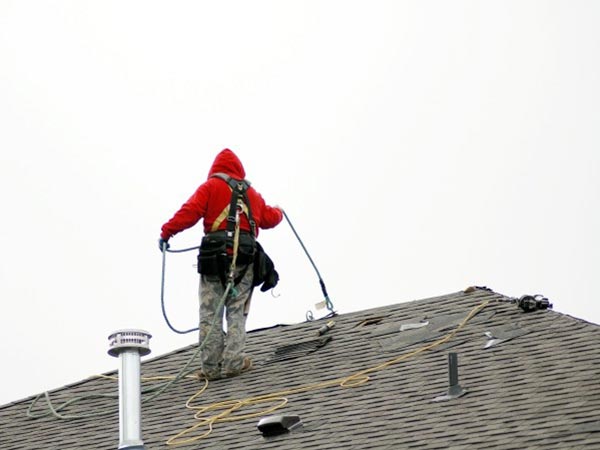
After wind or a storm affects a shingle roof, the next step should be based on the location and extent of the damage. Missing, lifted or cracked shingles and damaged flashing can create water-entry paths, but the repair scope should follow what an inspection confirms rather than the visible symptom alone. CD Beiler Construction repairs residential shingle roofs for homeowners in Elizabethtown, PA and the surrounding area, and this guide explains the common types of damage, what a proper repair involves and what to confirm before work begins.
A localized repair is not always the right scope, so this article also explains when repeated or widespread conditions justify a broader roof evaluation. To discuss damage on your own roof, call 717-747-4037.
Common Types of Shingle Damage

Shingle roofs can show damage in several recognizable ways. Homeowners can note visible conditions from the ground or from inside accessible areas, while roof access and close inspection should be left to a roofing professional.
- Missing shingles. Wind can displace or remove shingles and may leave underlayment or other roof layers exposed.
- Lifted or unsealed shingles. Tabs that no longer lie flat may indicate loss of seal, creasing, fastening problems, or other damage that needs evaluation.
- Cracked or curling shingles. Cracking or curling can develop as shingles weather, age, or experience installation and ventilation-related conditions, so the pattern across the roof matters.
- Exposed or backed-out nails. Raised or exposed fasteners can disturb the shingle above them and should be evaluated with the surrounding decking and fastening pattern.
- Damaged flashing. Flashing around chimneys, vents, valleys, walls, and other transitions can become damaged or separated and should be checked when tracing a leak.
- Granule loss. Localized bare spots or unusual granule accumulation can be signs of wear or damage, but the pattern and shingle condition should be evaluated before setting the scope.
What a Proper Shingle Repair Involves
A shingle repair should address the confirmed defect and the surrounding roof condition. The exact method varies by roof and material, but the scope commonly includes these checks.
- Find the cause. Check what failed and why, so the repair addresses the real issue and not only the visible symptom.
- Remove damaged shingles. Remove affected materials as needed while protecting surrounding shingles that are suitable to remain.
- Check the layers beneath. Evaluate underlayment, flashing, and decking in the affected area. Confirmed deterioration or moisture-related damage may change the repair scope.
- Install compatible shingles. Replacement shingles should be compatible with the existing roof and installed according to the selected product and repair requirements.
- Repair flashing and details. Repair or replace affected flashing and transition details using materials and methods compatible with the existing roof.
- Clean up. Remove repair debris and leave the agreed work area in the condition described in the proposal.
Matching can be difficult on an older roof. Weathering changes how shingles look, so a new shingle may stand out slightly beside faded neighbors. A contractor can explain what is realistic before work starts.
Repair Options by Problem
The table below shows how common problems are typically handled and when the situation may call for more than a repair. It is a general guide, and an in-person inspection confirms what applies to your roof.
| Problem | Typical repair | When more than a repair may be needed |
|---|---|---|
| Missing or blown-off shingles | Replace compatible shingles and inspect the affected roof layers beneath. | Damage extends across multiple areas, or the surrounding assembly shows broader deterioration or moisture-related damage. |
| Lifted or unsealed shingles | Evaluate the affected shingles and use a compatible repair method, replacing pieces that are damaged beyond localized correction. | The same condition appears broadly, or the shingle condition prevents a reliable localized repair. |
| Cracked or curling shingles | Replace affected shingles with a compatible product where localized replacement is appropriate. | Curling or cracking is widespread and indicates a broader condition that needs evaluation. |
| Exposed or popped nails | Correct the affected fastening and shingle detail using a compatible repair method. | Raised fasteners appear repeatedly and suggest a broader fastening or substrate condition that needs evaluation. |
| Damaged flashing | Repair or replace the affected flashing and transition detail with compatible materials. | Several flashing or penetration areas show related defects or moisture evidence. |
| Heavy granule loss in one area | Evaluate the cause and replace affected shingles where localized repair is appropriate. | Granule loss or surface deterioration is widespread enough that overall roof condition needs comparison with continued spot repair. |
What to Do After Storm Damage
Your first priorities are safety and limiting further damage. Stay off the roof, since wet or damaged surfaces are a serious fall risk. From the ground, look for shingle pieces in the yard and for visible gaps on the roof. Inside, check ceilings and the attic for stains or dampness. If water is coming in, protect belongings and contain it as safely as you can. Take dated photos of visible conditions from safe locations because they can help document what was observed before repair work begins. Coverage depends on your own policy, so review it or ask your insurer instead of assuming.
A roofing contractor can inspect the damage, trace water-entry conditions where possible, and recommend localized repair or a broader scope based on what is found.
Repair or Replacement?
Localized storm or wear damage may be repairable when the surrounding roof remains suitable for repair. A broader evaluation is appropriate when damage spans multiple areas, repairs keep recurring, leaks appear in different locations, or the roof condition prevents a reliable localized fix. Age can provide context, but it should not decide the scope by itself. If replacement does come up, our article on shingle roof replacement explains what to confirm before authorizing the work.
What a Repair Quote Should Include
When you compare proposals, look past the total and confirm what is covered.
- The specific areas and damage being repaired, ideally shown with photos
- The shingles, fasteners, flashing, and other repair materials to be used
- How concealed deterioration or added scope will be documented, priced, and approved
- Cleanup, disposal and protection for landscaping and gutters
- Any stated follow-up or maintenance recommendations after the repair
Keeping Shingles in Good Shape After a Repair
Routine upkeep and condition checks can help identify new issues around a repaired area. From safe locations, homeowners can watch for drainage problems, fallen branches, interior stains, or visible shingle changes and leave roof access to trained professionals. Our homeowner’s guide to shingle roofing maintenance lays out a seasonal routine, and our residential shingle roofing page describes the shingle options we install.
Shingle Roof Repair in Elizabethtown, PA
CD Beiler Construction is a family-led company with a 10+ year track record and provides residential roofing services within its service area. If your shingle roof has storm damage, leaks or worn spots, reach out to us or call 717-747-4037 to talk through the repair.
Frequently Asked Questions
Can a few damaged shingles be repaired without replacing the roof?
Often, when the damage is localized and the surrounding roof remains suitable for repair. Widespread deterioration, recurring leaks, or broader substrate problems may justify a larger scope.
Will new shingles match my old ones?
An exact visual match may be difficult on a weathered roof because existing shingles can change in appearance over time. The proposal should identify the replacement product and any expected visual difference.
Should I go on the roof to check the damage myself?
No. Roofs are dangerous, especially after storms. Check from the ground or the attic, take photos and let a roofing professional inspect the roof.
How long does a shingle repair take?
Repair timing depends on the size and location of the damaged area, material availability, access, weather, and whether concealed conditions change the scope. The contractor should provide the schedule for the specific repair.