
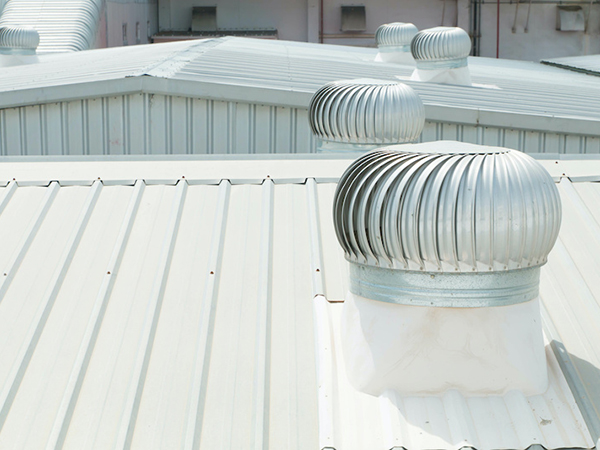
Commercial metal roofing systems are built for long-term durability, but lifespan depends heavily on how well the system handles ongoing environmental stress. One of the most overlooked factors affecting performance is thermal movement. Daily expansion and contraction caused by temperature changes can place continuous stress on roofing components and contribute to premature wear over time.
CD Beiler Construction installs and services commercial metal roofing systems for properties in Baldwin, PA. Call (717) 747-4037 to evaluate your roofing system and address concerns before long-term damage develops.
Understanding how thermal movement affects commercial metal roofing helps building owners make informed decisions that support roof longevity, structural reliability, and long-term performance.
How Thermal Expansion and Contraction Affect Commercial Metal Roofing
Metal expands when it heats up and contracts when it cools down. On a commercial roof spanning thousands of square feet, that movement is measured in inches, not fractions. A 100-foot steel panel can shift more than an inch between a cold Pennsylvania morning and a hot July afternoon.
That movement does not hurt the panel itself. What it does is stress every point where the panel is fixed in place. Fasteners, seams, flashings, and penetration collars all resist that movement to some degree, and that resistance is where damage begins. Over years of daily cycling, the stress concentrates at those fixed points and works itself into leaks, loose fasteners, and opened seams.
Where Thermal Movement Causes the Most Damage
Exposed fastener systems take the most punishment from thermal movement. Every screw through the panel surface is a fixed point the metal has to fight against as it expands and contracts. The gasket under each fastener head compresses and releases thousands of times over the life of the roof. When those gaskets harden and crack, each fastener becomes a direct water entry point.

Standing seam systems handle thermal movement better because the concealed clip design allows panels to float along their length rather than being pinned to the deck. The seam itself stays watertight while the panel moves freely beneath it. This is the core engineering reason standing seam systems outlast exposed fastener panels on large commercial roofs in Pennsylvania’s climate, where temperature swings between seasons are severe.
How Improper Installation Affects Commercial Metal Roofing Performance
Over-driven fasteners are one of the most common installation mistakes on commercial metal roofing, and they turn a manageable situation into an accelerated failure. When a fastener is driven too tight, the gasket deforms immediately and the panel cannot move freely. The thermal stress that would normally distribute across the panel length instead concentrates at that single point.
Inadequate expansion gaps at panel terminations cause the same problem at the building perimeter. Metal panels need room to grow toward the edges. When they are installed tight against a wall, curb, or ridge cap without proper clearance, the expansion force pushes against whatever is in the way. Flashings buckle, sealants tear, and the termination detail fails. These failures look like flashing problems. They are really thermal movement problems that were set up at installation.
Choosing a Commercial Metal Roofing System
The right system for a commercial building depends on the roof size, slope, use, and how much foot traffic the roof sees. These are the design factors that bear most directly on thermal movement performance:
- Panel length: longer panels move more, and the system must be designed to accommodate the full expansion range
- Attachment method: concealed clip systems allow panel movement; exposed fasteners resist it
- Expansion joint placement: large commercial roofs require designed expansion joints at regular intervals to prevent cumulative movement from overstressing any single area
- Flashing and trim details: every termination point must be detailed with movement clearance built in, not sealed rigid
Getting these decisions right at the front end is what separates a commercial metal roof that performs for 40 years from one that needs repairs every five.
Commercial Metal Roofing Services
Thermal movement affects commercial metal roofing systems every day. As roofing materials expand and contract with temperature changes, stress can develop around fasteners, seams, and connection points, gradually impacting long-term roof performance if left unaddressed. Understanding how thermal movement affects a roofing system helps prevent small concerns from becoming larger repair issues.
CD Beiler Construction installs and services commercial metal roofing systems for properties in Baldwin, PA. Call (717) 747-4037 to schedule an assessment and identify issues before thermal stress leads to costly repairs.
Proper design, installation, and ongoing maintenance help commercial metal roofing systems perform reliably while handling the demands of changing weather conditions year after year.
FAQ
How much does a metal roof expand in Pennsylvania summers?
A 100-foot steel panel can expand roughly 1 to 1.5 inches between a cold morning and peak afternoon heat.
Does thermal movement void a commercial metal roof warranty?
It can, if fastener spacing or expansion clearances were not installed to the manufacturer’s spec, so installation quality matters for warranty coverage.
How do I know if my metal roof has thermal movement damage?
Backed-out fasteners, buckled flashings, and sealant tears at panel edges are the most visible signs.
Is standing seam worth the extra cost for a commercial building?
On larger roofs with significant temperature swings, yes. The concealed clip design handles thermal movement far better than exposed fastener systems over time.