
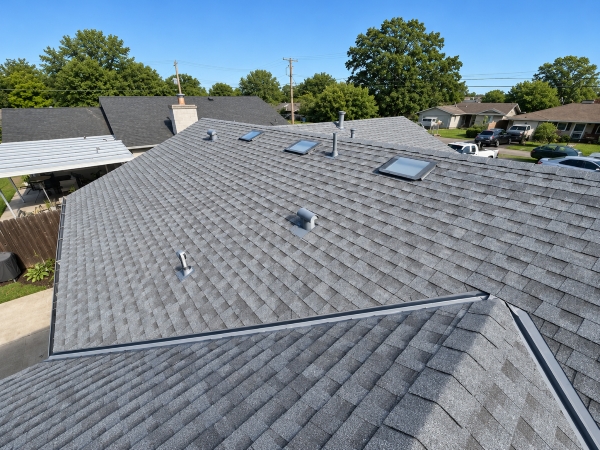
Replacing a shingle roof is one of the larger investments a homeowner makes, and the decisions made before work begins shape how well the new roof performs. CD Beiler Construction installs residential shingle roofs for homeowners in Ephrata, PA and the surrounding area. This guide explains the signs that a roof has reached replacement age, what a complete replacement includes and what to confirm in a proposal before you sign.
Not every worn roof needs a full replacement, and the guide also points out when a repair is the better choice. To talk through your own roof, call 717-747-4037.
Signs an Ephrata Roof May Need Replacement
Several signs, especially when they appear together, can justify comparing repair with full shingle-roof replacement.
- Widespread curling, cracking or bare spots. Shingles with widespread granule loss, curling, cracking, or bare areas may have reduced weathering protection.
- Repeated leaks. Leaks that return after repairs can indicate additional flashing, underlayment, decking, or shingle problems that need further evaluation.
- Sagging or soft areas. Visible sagging or soft areas can indicate decking, moisture, or structural conditions that should be evaluated before the replacement scope is set.
- Damage on several slopes. Storm damage across multiple slopes may make a broader repair or replacement comparison more appropriate than isolated spot work.
- Heavy granules in the gutters. Heavy or increasing granule accumulation can be one sign of shingle wear, especially when it appears with other deterioration.
- Roof age. Shingle lifespans vary with material, installation, ventilation and weather exposure, so age is a guide and not a verdict.
Repair or Replace?

A localized problem on a roof that is otherwise serviceable may be repairable. Replacement becomes more appropriate to compare when deterioration is widespread, leaks recur in multiple areas, decking or underlayment problems extend beyond one location, or the roof has reached a condition where repeated spot repairs no longer address the broader issue. An evaluation of shingles, flashing, accessible decking or attic conditions, and leak history can help distinguish a localized repair from a broader replacement scope. The written proposal should explain the conditions behind that recommendation.
What a Full Shingle Replacement Includes
A replacement can involve more than installing new shingles. The stages below show common parts of a tear-off replacement, although the exact sequence and materials depend on the roof, local requirements, and the selected shingle system.
Tear-offExisting roofing layers included in the tear-off scope are removed so the deck can be evaluated.Deck checkDecking that is damaged, deteriorated, or otherwise unsuitable for the new roof is repaired or replaced as required by the project scope.Underlayment and edge detailsUnderlayment, edge metal, and related water-management details are installed as required by the selected roofing system and applicable project requirements.FlashingFlashing at chimneys, vents, valleys, walls, and other transitions is repaired, replaced, or integrated as required by its condition and the new roof design.VentilationAttic ventilation is evaluated as part of the roof design, and changes are made when the selected system or existing conditions call for them.Shingle installationShingles are installed and fastened according to the product’s installation requirements.CleanupCleanup should identify how roofing debris and loose fasteners are removed from the roof area, gutters, access paths, and yard.
| Stage | What happens | Why it matters |
|---|---|---|
| Tear-off | Existing roofing layers included in the tear-off scope are removed so the deck can be evaluated. | Some deck conditions cannot be fully evaluated until the overlying roof materials are removed. |
| Deck check | Decking that is damaged, deteriorated, or otherwise unsuitable for the new roof is repaired or replaced as required by the project scope. | The new roofing system needs a suitable substrate for fastening and installation. |
| Underlayment and edge details | Underlayment, edge metal, and related water-management details are installed as required by the selected roofing system and applicable project requirements. | These components help manage water that reaches beneath or around the shingle surface. |
| Flashing | Flashing at chimneys, vents, valleys, walls, and other transitions is repaired, replaced, or integrated as required by its condition and the new roof design. | Flashing transitions are important water-management details and should be included in the replacement scope. |
| Ventilation | Attic ventilation is evaluated as part of the roof design, and changes are made when the selected system or existing conditions call for them. | Ventilation conditions can affect attic heat and moisture, so the replacement scope should account for the existing roof and attic design. |
| Shingle installation | Shingles are installed and fastened according to the product’s installation requirements. | Fastening, alignment, and installation details should follow the selected shingle system’s written requirements. |
| Cleanup | Cleanup should identify how roofing debris and loose fasteners are removed from the roof area, gutters, access paths, and yard. | A proposal may include magnetic sweeping or another method for collecting loose fasteners around work and access areas. |
Choosing Shingles for Your Home
Shingle products vary in profile, appearance, construction, and published performance characteristics, so comparisons should use the specific product information in the proposal. Color and profile also affect how the roof looks beside your siding and trim. Consider the style of the home, color and profile preferences, the written product specifications, and the overall project scope. Our residential shingle roofing page describes the shingle options we install, and our article on cost-effective shingle roof replacement explains how to weigh quality against budget.
Planning the Project
Good planning makes responsibilities clearer before work begins. Ask about the expected sequence, weather contingencies, access areas, debris control, and any steps the homeowner should take around vehicles, attic contents, children, pets, and neighboring properties. Tear-off and installation can create noise, vibration, and falling debris near the work area. Project duration depends on roof size and complexity, concealed deck repairs, materials, weather, access, and the actual scope.
What a Replacement Proposal Should Include
When you evaluate proposals, look past the bottom line and confirm what each one covers.
- The scope of work, including tear-off, deck repair, underlayment, flashing and ventilation
- The shingle type, color and any accessories included
- How hidden deck damage will be identified and handled
- Cleanup, debris removal and protection for landscaping and gutters
- The payment schedule and a clear written contract
Written details help you understand exactly what is being installed, and they make it easier to ask questions before work starts.
Caring for Your New Roof
Regular inspection and maintenance can help identify drainage, debris, flashing, or storm-related issues after replacement. Keep drainage paths clear, address branches or debris that contact the roof, and review visible conditions from the ground after significant weather. Roof access should be left to trained personnel using appropriate safety procedures. Our homeowner’s guide to shingle roofing maintenance outlines a seasonal routine that helps catch small problems early.
Shingle Roof Replacement in Ephrata, PA
CD Beiler Construction is a family-led company with more than ten years in the trade, built on honesty, hard work and quality craftsmanship. If your Ephrata roof is showing its age, reach out to us or call 717-747-4037 to talk through your options.
Frequently Asked Questions
How do I know if my roof needs replacement instead of repair?
Widespread wear, recurring leaks, decking problems, or damage across several slopes are reasons to compare replacement with repair. A localized defect on an otherwise serviceable roof may still be repairable.
Do old shingles always have to be removed?
A tear-off replacement allows the deck and concealed conditions to be evaluated before the new roof is installed. The proposal should explain whether existing layers will be removed and how the deck, underlayment, and flashing are handled.
Can I stay home during a roof replacement?
Often, but the answer depends on access, noise, vibration, debris control, interior conditions, and any project-specific safety restrictions. Follow the contractor’s site-access instructions during the work.
How long does a shingle roof replacement take?
There is no single duration for every replacement. Roof size and complexity, concealed deck repairs, materials, weather, access, and crew sequencing all affect the schedule.