
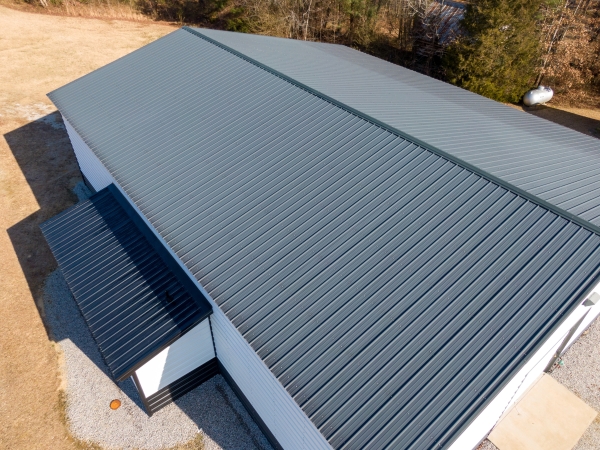
A standing seam metal roof can be a good fit for a West Chester, PA home when the homeowner values concealed fastening, a clean panel profile, long-term service potential, and a roof system designed around the specific house. It is not automatically the best choice for every roof or budget. The decision should account for roof shape, deck condition, slope, flashing details, snow and drainage conditions, appearance, maintenance expectations, and the installation scope.
CD Beiler Construction provides residential standing seam metal roofing in West Chester and its surrounding service area. The company is family-led, has more than ten years in the trade, and emphasizes honesty, hard work, and quality craftsmanship. This article focuses on how to judge whether standing seam fits the home rather than assuming metal roofing is the right answer in every situation.
What Makes a Roof Standing Seam

Standing seam roofing uses metal panels with raised vertical seams that connect adjacent panels. Many standing seam systems use concealed clips or other concealed fastening methods so the primary fastening points are not exposed across the face of the roof in the same way they are on exposed-fastener panels.
The exact panel profile, clip design, fastening method, seam geometry, and installation requirements depend on the specific system. That matters because not every standing seam roof is built the same way. CD Beiler’s standing seam metal roofing page provides additional information about the service.
Where Standing Seam Can Fit Well
Standing seam can be a strong option when its characteristics match the house and the homeowner’s priorities. Situations worth considering include:
- Homeowners who prefer concealed fastening. Many standing seam systems reduce the number of exposed fasteners across the main panel field.
- Roofs with clear panel runs. Simpler roof planes can make the standing seam profile easier to lay out and visually consistent.
- Homes where appearance matters. The raised seams and long panel lines create a distinct architectural look.
- Owners comparing long-term roofing options. Standing seam may be worth considering when durability, maintenance expectations, and future ownership plans are part of the decision.
- Projects where metal roofing is already a supported design choice. Additions, porches, and other roof sections may use standing seam when the slope, roof geometry, and selected system are appropriate.
These are fit considerations, not guarantees. The final choice should follow the actual roof and the system proposed for it.
Where Another Roofing Option May Fit Better
Standing seam is not automatically the best match for every West Chester home. A different roofing material or metal system may make more sense when budget, roof complexity, appearance, or project scope point elsewhere.
A roof with many small hips, valleys, dormers, walls, skylights, or other transitions can require more custom panel work and flashing. That does not rule out standing seam, but it can increase installation complexity. If a homeowner is also considering shingles, CD Beiler’s residential shingle roofing page offers a useful comparison point without assuming one system is universally better.
Standing Seam and Exposed-Fastener Metal Are Different Systems
Both are metal roofing, but their fastening and maintenance details differ. Exposed-fastener panels use fasteners through the panel face, so those fasteners and washers remain visible and become part of future inspection and maintenance.
Standing seam systems commonly conceal their primary fastening points beneath seams or panel interfaces. Depending on the system, clips or other fastening details may also allow for panel movement as temperatures change. That can reduce one category of exposed fastener wear, but it does not make the roof maintenance-free. Seams, flashing, penetrations, panel edges, sealants, and other details still need attention when conditions warrant it.
Roof Shape and Deck Condition Matter
The existing roof should be evaluated before the standing seam system is selected. The roof deck needs to provide a suitable base for the planned assembly, and damaged or unsuitable sheathing should be addressed before the new roof covers it.
Roof geometry also affects panel layout. Long, simple runs differ from roofs with multiple valleys, changes in slope, chimneys, skylights, walls, or dormers. A contractor should explain how the chosen panel system will be detailed at those transitions and whether any roof-specific constraints affect the design.
Snow and Water Need Roof-Specific Planning
Smooth metal roof surfaces can release snow differently from some other roofing materials. On certain slopes and roof layouts, snow may move in larger sections, so walkways, doors, landscaping, lower roofs, gutters, and other areas below the eaves should be considered during planning.
Snow-retention devices may be appropriate on some homes, but they are not automatically required on every standing seam roof. Their use depends on roof geometry, exposure, the panel system, and what is located below the roof edge. Drainage and gutter decisions should likewise be made for the actual house rather than from a universal rule.
Flashing Details Are Critical to the System
A standing seam roof still depends on properly designed transitions. Chimneys, valleys, roof-to-wall intersections, skylights, vents, ridges, eaves, and other penetrations need flashing details that work with the selected metal system.
Homeowners comparing proposals should ask how these areas will be handled, whether existing components will be replaced or reused, and how the contractor will address any deck or substrate conditions discovered during the work. A proposal that defines these details is easier to evaluate than one that lists only panel type and price.
Energy Performance Depends on More Than Metal
Metal roofing can be available with reflective finishes that reduce solar heat absorbed at the roof surface. That does not guarantee a specific reduction in household cooling costs. Attic insulation, ventilation, air sealing, sun exposure, roof construction, finish properties, HVAC performance, and household use all affect the result.
The finish should therefore be selected for appearance, durability, and project needs rather than on a guaranteed energy-savings claim.
Service Life Depends on the Whole Roof
Standing seam metal roofs are often selected for long service potential, but no single lifespan applies to every installation. Panel material, finish, seam design, fastening system, flashing, installation quality, roof geometry, weather exposure, and maintenance all influence how the roof performs over time.
CD Beiler’s article about the lifespan of residential metal roofing discusses those factors in more detail. For a new project, the useful question is how the proposed roof system and details fit the specific home.
Maintenance Is Lower in Some Areas, Not Eliminated
Concealed fastening can remove one common exposed-fastener maintenance point, but a standing seam roof still needs condition-based attention. Gutters and valleys should remain clear, and flashing, seams, sealants, penetrations, panel edges, and visible damage should be evaluated when there is a reason for concern.
Additional review may be appropriate after severe weather, new leakage, visible movement, or work by another trade near the roof. There is no single inspection interval that fits every standing seam roof.
What to Compare Before Choosing Standing Seam
Before approving a proposal, a West Chester homeowner should compare more than the headline price. Useful questions include:
- What standing seam system and panel profile are being proposed?
- How will the panels be fastened and detailed for thermal movement?
- Will the existing roofing be removed or covered, and why is that approach appropriate?
- How will damaged decking be identified and handled?
- How will chimneys, skylights, valleys, walls, ridges, and eaves be flashed?
- Does the roof need snow-retention planning based on the areas below the eaves?
- How will ventilation, gutters, drainage, cleanup, and property protection be handled?
A clear written scope should answer those questions before work starts.
Standing Seam Metal Roof in West Chester, PA
For a West Chester homeowner, standing seam is worth considering when the roof design, budget, appearance goals, deck condition, and long-term expectations align with the system. The best decision comes from evaluating the actual house rather than relying on a generic claim that metal is always better.
CD Beiler Construction serves West Chester within its residential roofing area and installs standing seam metal roofing. Homeowners can use an on-site evaluation and detailed proposal to decide whether standing seam, another metal system, or a different roofing material best fits the project.
Frequently Asked Questions
Is a standing seam roof worth considering for a West Chester home?
It can be when concealed fastening, appearance, long-term service potential, and the roof’s design fit the homeowner’s priorities. Budget and roof complexity should also be considered.
Do standing seam roofs leak?
Any roofing system can leak if flashing, seams, penetrations, edges, or other details fail. Standing seam reduces exposed fastening across the main panel field in many systems, but the roof still depends on properly installed transitions.
Can standing seam go over existing shingles?
Sometimes. The decision depends on the existing roof assembly, condition, local requirements, manufacturer instructions, and the standing seam system being installed.
How should a standing seam roof be maintained?
Keep drainage paths clear and have seams, flashing, sealants, penetrations, edges, and visible damage evaluated when conditions warrant it. Maintenance needs vary by roof and system.