
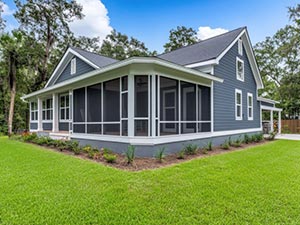
A screened porch done right adds usable living space to a home for most of the Pennsylvania year. Done poorly, it leaks, sags, gaps at the corners, and becomes a source of frustration within a season or two. Finding screened porch contractors in Bethel Park, PA, who understand structural framing, roofing integration, and screening system quality is the difference between a space that performs for decades and one that needs rework before the warranty on the screen door expires.
At CD Beiler Construction, we build screened porches for homeowners across Bethel Park and the surrounding area with the construction quality that stands up to Pennsylvania weather year after year. Call us at 717-747-4037 to discuss your project.
This article covers the planning decisions that determine how a screened porch performs over time, what separates quality screened porch construction from work that fails early, and what Bethel Park homeowners should think through before choosing a contractor.
Choosing Screened Porch Contractors
Pennsylvania weather puts screened porches through a full range of conditions across the year. Humid summers, heavy spring and fall rains, and winter snow loads all affect a structure that is exposed on multiple sides and connected to the main house at the roofline. A screened porch that is built with proper ledger attachment to the house framing, correctly sized posts and beams for the span and load, and a roofing assembly that integrates cleanly with the existing home roof will handle those conditions without issue. One that was built with undersized framing, inadequate footings, or a roof connection that leaves a gap at the flashing transition will show problems within a few seasons. The structural framing and the roof connection are where screened porch quality is actually determined, not in the screening choice or the paint color.
Roofing Integration

The roofline connection between a screened porch and the main house is the most technically demanding part of the project, and it is where inexperienced contractors make mistakes that show up as leaks within the first year. Proper flashing at the ledger-to-house connection must integrate with the existing roofing material, whether that is asphalt shingles, metal panels, or another system, in a way that directs water away from the wall and off the porch roof without creating a dam or a gap. Step flashing, counter flashing, and the correct sequence of installation relative to the existing roofing material all matter. A contractor who builds porches but lacks roofing experience often treats this connection as a caulk problem rather than a flashing problem. The result looks finished from the ground and leaks the first time a hard Pennsylvania rain tests it.
Screening System Options
The screening system selection affects both the appearance and the long-term performance of the porch. Standard fiberglass screening is the most common choice for residential screened porches and handles Pennsylvania’s seasonal conditions reliably when properly tensioned and installed in quality frames. Pet-resistant screen options are available for households where animals will be using the space regularly, using a heavier mesh construction that resists tearing under impact. Solar screen options reduce UV and heat entry through the screened walls, which improves comfort during the warmest months. The frame system holding the screens matters as much as the screen material itself. Aluminum frames with proper corner connections hold tension and shape through seasonal movement. Cheaper frame systems sag, gap at corners, and require re-screening far sooner than a quality installation.
Planning Your Screened Porch Project
Before screened porch contractors arrive for a site visit, working through these decisions produces a more focused and productive planning conversation:
- Intended use of the space, including whether it will be used for dining, relaxing, pets, or plants, since each use affects sizing, screening choice, and flooring decisions.
- Whether the porch will be attached to an existing deck or built from grade, since each scenario has different footing, framing, and permit requirements.
- Access points, including door location and whether a direct interior connection through the house wall is part of the project scope.
Quality Screened Porch Contractors
A screened porch that performs through Pennsylvania weather for years starts with screened porch contractors who understand both structural framing and roofing integration. At CD Beiler Construction, we build screened porches across Bethel Park, PA with the construction quality and roofing knowledge to make the connection to your home watertight and the structure sound. Call us at 717-747-4037 and let us walk through your project from the ground up.
FAQ
Does a screened porch require a building permit in Bethel Park, PA?
Most attached screened porch additions require a local building permit, and a qualified contractor will confirm the requirements and handle permitting as part of the project.
Can a screened porch be converted to a three-season room later?
Yes, and building the original framing to handle the future window and insulation loads is worth discussing upfront if conversion is even a possibility.
What flooring options work best for a screened porch in Pennsylvania?
Composite decking, treated wood, and concrete are all common choices depending on the porch foundation type and the owner’s preference for maintenance level.
How long does a screened porch project typically take from start to finish?
Most screened porch projects complete within one to three weeks depending on size, complexity, and whether permit approval timelines affect the start date.