
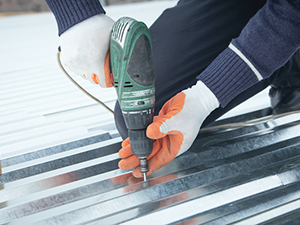
Metal roofing is valued for durability and long-term performance, but it still needs repairs over time as weather, temperature swings and aging fasteners take their toll. For most Lincoln University, PA homeowners, the real question is whether a problem is a localized defect that a repair can fix or a sign that a broader roof assessment is needed. CD Beiler Construction repairs residential metal roofs, and this guide explains how to tell the difference, what repairs involve and what to expect in a quote. To talk about your roof, call (717) 747-4037.
Signs such as a recurring ceiling stain, loose panel edge or small corrosion patch warrant an inspection, not an assumption that the whole roof needs replacement. Our residential standing seam roofing overview explains that system if replacement is being considered.
The Importance of Timely Metal Roof Repair
Metal roofs are known for long service lives, but they still need maintenance and repairs to perform well. Small problems grow when they are ignored. A loose fastener, a tired sealant joint or a small rust spot can let water reach the deck and insulation, and that is where damage becomes costly. Prompt attention keeps a minor repair from turning into a larger one.
Common Metal Roof Problems
Lincoln University sees rain, snow, humidity and strong sun through the year, and each affects a metal roof differently. Typical repair issues include the following.
- Leaks and punctures. Fasteners can loosen with age, seams can separate slightly and wind-blown debris can dent or puncture panels.
- Rust and corrosion. Coated metal resists corrosion well, but scratches and exposed edges, especially in humid conditions, can start to rust.
- Panel movement and buckling. Metal expands and contracts with temperature. If a roof was not installed with room for that movement, panels can buckle or shift.
- Sealant breakdown. Sealants around penetrations and seams degrade with UV exposure and weather.
- Installation issues. Poorly placed fasteners or poorly formed seams can cause problems early in a roof’s life.
Repairable Defect or Broader Problem?
A visible sign is only a starting point. Water can travel along the underside of the roof before it appears indoors, so a stain alone does not show where the problem is or how far it extends. A good inspection connects symptoms to evidence on the roof. The table below shows how common symptoms are generally read, and only an in-person inspection can confirm what applies to your roof.
| What you notice | What an inspection should check | Often a localized repair when | Broader assessment needed when |
|---|---|---|---|
| Loose fasteners or small leak | Fastener condition across the whole slope, signs of panel movement and any moisture at the deck. | A limited number of fasteners can be replaced with compatible components and the underlying materials are sound. | Fasteners are loose across many panels, holes are enlarged, or water has reached insulation or decking. |
| Separating seams | Seam closure along the full length of each run and the condition of sealant at laps. | One short seam section that can be re-secured and re-sealed. | Several runs are opening, which can point to movement or a fastening problem that spot sealing will not solve. |
| Rust on uncoated or scratched metal | Whether the rust is on the surface or has worn through, and the state of the coating nearby. | A small area that can be cleaned, treated and recoated. | Rust has perforated the metal, keeps returning, or is spreading across several panels. |
| Buckling or shifting panels | How panels are fastened, whether they have room to expand and contract, and wear at clips or fasteners. | One panel affected by a localized fastening issue. | Movement shows across a slope, suggesting a design or installation issue that needs a wider review. |
| Dents or punctures from debris | Whether the coating is broken, whether water can get under the panel and nearby panel condition. | One or two panels that can be patched or replaced. | Many damaged panels, for example after a major storm. |
| Worn sealant at penetrations | Sealant and flashing at vents, chimneys, skylights and walls. | One penetration that needs reworking or resealing. | Problems at several penetrations, or moisture found around them. |
Limits of a Localized Repair
A spot repair works best when the problem is confined and the rest of the roof is sound. It is less dependable when the underlying cause is still active, such as ongoing panel movement, or when the roof is wearing out as a whole. Warning signs include repairs that keep reappearing in new places, moisture beneath the panels, rust that has gone through the metal and fasteners or seams failing across many panels. In those cases a broader assessment helps you compare targeted repairs, a larger section repair or replacement using real information. Our article on the lifespan of residential metal roofing explains how finish, installation and exposure affect how long a roof lasts, and any lifespan range is a general expectation, not a guarantee.
What a Repair Quote Should Include

When you compare repair proposals, look past the total and confirm what the quote covers.
- The specific areas and defects being repaired, ideally shown with photos
- The materials to be used, including sealants, fasteners, coatings and any replacement panels, and whether they suit your existing roof
- How hidden damage will be handled if it is found once panels are lifted
- Cleanup and how the property will be protected
- Whether a follow-up inspection or a wider assessment is recommended
Our guide to metal roof repairs for homes adds more detail on common repair methods.
Access and Planning: Why Roof Repair Is Not a DIY Job
Metal roofs can be very slick when wet, frosty or dusty, and falls are a serious risk. Minor-looking repairs can also go wrong if the wrong sealant or fastener is used, since mismatched materials can cause new leaks at the repaired spot. Leave roof access to trained professionals and share photos taken from the ground or from inside the attic. Ask your contractor how they will reach and protect the roof, how they handle weather, and how interior areas will stay dry until the repair is finished.
Benefits of Timely Metal Roof Repair
- Avoids bigger problems. Early repairs keep small defects from spreading.
- Supports longevity. Regular maintenance and prompt repairs help the roof reach its expected service life.
- Protects the home. Keeping water out protects decking, insulation and the interior, and sound panels and coatings help the roof keep performing as intended.
Metal Roof Repair in Lincoln University, PA
If your metal roof shows leaks, loose panels, rust or other wear, a professional inspection is a sound way to determine what work is appropriate. CD Beiler Construction works on roofing projects for homeowners in the region. To talk through a repair, reach out to us or call (717) 747-4037.
Frequently Asked Questions
Can small rust spots be treated without replacing panels?
Often, yes. Surface rust caught early may be treated after checking metal thickness and the protective finish. Rust that has worn through the metal or spread widely may need panel replacement.
Is metal roof repair expensive?
Cost depends on the type and extent of the problem, access and materials. A localized repair is generally smaller in scope than a section repair or replacement, and an inspection gives a reliable figure.
How long does a metal roof last with regular maintenance?
Metal roofs are known for long service lives, but the actual figure depends on the finish, installation quality and exposure. Maintenance and timely repairs help a roof reach its expected life.
Are metal roof repairs covered under warranty?
It depends on the manufacturer’s warranty, the installation terms and the cause of the problem. Review your paperwork, and ask a contractor how they document repairs.