
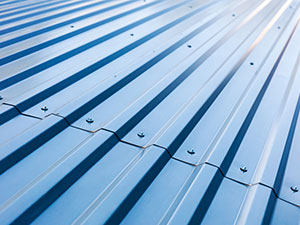
For an Ardmore, PA homeowner, a metal roof leak may begin at an exposed fastener, panel seam, flashing or damaged metal. The first question is whether the defect is confined to one detail or points to broader roof deterioration. The answer requires matching the visible symptom to roof-side evidence, not guessing from the location of a ceiling stain. CD Beiler Construction provides metal roof repair for residential roofs, and this guide explains the common causes of metal roof problems, how a repair is carried out and when a localized fix is not enough.
Metal roofing can remain serviceable even when a particular fastener, seam or flashing needs attention. Repairs must account for the panel profile, thermal movement, the surrounding roof material and any moisture that may already have reached the roof deck. The exact diagnosis depends on the installed system and the accessible evidence. To talk through a problem on your own roof, call (717) 747-4037.
Common Metal Roof Repair Issues
Thermal Movement and Fastener Fatigue
Metal expands and contracts through Pennsylvania’s seasonal temperature swings, and that movement works on the fasteners that hold exposed-fastener panels to the roof. Over time, screws can back out and the rubber sealing washers beneath them can dry out and crack, which can open paths for water. On exposed-fastener roofing, an appropriate repair can involve replacing failed fasteners and washers with compatible components sized for the existing attachment. The contractor should check nearby fasteners, the hole condition and the supporting deck rather than assume the same replacement screw is suitable everywhere.
Surface Corrosion
Moisture can lead to surface rust, particularly along cut edges and in spots where water collects. Light surface corrosion may be treated after the affected metal and existing finish are evaluated, using a compatible preparation and protective material. Corrosion that has thinned or perforated the metal is a different matter, because treating the surface will not restore the panel. In that case the affected section needs replacement, and a contractor should be able to show you which situation you have.
Seam Separation and Sealant Failure
Where panels overlap or meet trim, sealants can become brittle and pull away as the roof moves. Once a seam opens, wind-driven rain can enter. Depending on the system, repair may involve removal of failed sealant, cleaning the joint and restoring the specified seam or fastening detail. Movement must be accommodated, and standing-seam systems should not be treated as though they have exposed fasteners. Our standing seam metal roofing page explains how standing seam panels handle seams differently from exposed-fastener systems.
Repairable Defect or Broader Problem?
The table below links common symptoms to what an inspection looks for and shows when a localized repair is likely and when more assessment is needed. It is a general guide, and an in-person inspection confirms what applies to your roof.
| What you notice | What an inspection checks | Often points to | When a broader assessment is needed |
|---|---|---|---|
| Water stains or drips near a seam or panel overlap | Seam sealant condition, panel alignment, gaps or lifted edges along the seam line | A failed sealant or a separated lap, often fixable at that joint | Several seams are open along a slope, or panels are bent or no longer line up |
| Leak near a chimney, vent, skylight or wall | Flashing condition, sealant at the joint, and whether the flashing is the right shape for the panel profile | Failed flashing or sealant at one penetration | Moisture appears around more than one penetration, or the surrounding deck feels soft |
| Rattling or lifted panels | Backed-out or missing fasteners, worn sealing washers, and how many are affected | Loose fasteners in one area, handled by replacing or re-securing them | Fastener problems are spread across the roof, which may indicate panel movement, fastener-hole damage or attachment concerns |
| Rust at cut edges or where water collects | How far the corrosion extends and whether the metal is still sound beneath the surface | Surface corrosion that can be treated and protected | Metal is thin, flaking through or perforated across larger sections |
| Dents, punctures or scratches | Whether the metal is torn, whether the coating is broken and whether any water path exists | A damaged panel section that can be patched or replaced | Damage affects many panels, or the underlying decking is also damaged |
| Ceiling stain with no obvious roof damage | Where water travels along the underside of the panels and whether it entered farther up the roof | Unknown until the source is traced, so a stain alone does not decide the repair | Moisture is found in insulation, decking or framing beyond the first visible area |
One caution applies to the last row. A stain on a ceiling shows that water got in, but it does not show where or why. Water often runs along the underside of metal panels before it appears inside, so a repair based only on the stain risks fixing the wrong spot.
Repair Process

Inspection and Diagnosis
Repair planning begins with an assessment of panels, seams, exposed fasteners where present, flashing and trim. Accessible deck and attic conditions can help identify moisture paths. A proposed repair should distinguish a confirmed source from an unverified possibility and aim to address the root cause of leaks rather than sealing a visible stain alone.
Targeted Repair
Repairs are matched to the problem. They can include replacing fasteners and washers, resealing seams, replacing a damaged panel section, treating light surface corrosion or repairing flashing. Materials should be compatible with the existing metal, because mixing incompatible metals can cause new corrosion.
Detailing at Penetrations
Chimneys, vents, skylights and roof-to-wall transitions are common places to check for water entry. The repair may require compatible formed flashing, a properly detailed penetration or replacement of failed sealant. The required method depends on the roof profile and existing materials; sealant by itself is not a substitute for a defective flashing assembly.
How Repair Methods Depend on Metal Roof Type
An exposed-fastener roof and a standing-seam roof can show similar interior water stains but require different checks. Exposed-fastener panels have screw penetrations and sealing washers that are exposed to weather. Standing-seam panels generally use concealed clips and raised seams, so investigation focuses on seam engagement, terminations, flashing and system-specific attachment details. A repair quote should identify the actual panel profile before listing fastener replacements or seam treatments.
At a roof edge, valley or chimney, matching a new flashing to the panel profile and runoff path matters as much as applying sealant. Where several panels are distorted or corrosion has perforated the metal, selective panel replacement may be more appropriate than repeated surface treatment. The contractor should explain whether a replacement panel can be matched and how adjacent panels will be protected.
Limits of a Localized Repair
A localized repair works when the problem is confined and the surrounding metal and decking are sound. It reaches its limits when metal panels are deteriorated across a broad area, fastening support has failed, repairs recur in different locations, or confirmed concealed moisture requires additional work. Because water can travel, a contractor may need to open or inspect nearby areas before confirming the full scope. If further assessment is needed, a good proposal says so plainly and explains why, instead of promising a quick fix for a problem that may be larger.
What a Repair Quote Should Include
When you evaluate a repair proposal, confirm what it covers and how the work will be carried out.
- The roof areas and defects to be addressed, with location notes or photographs when included
- The fasteners, flashing, sealants or panel sections to be used
- How hidden damage, such as wet decking, will be handled and priced if it turns up
- How the crew will reach and protect the roof, landscaping and finished surfaces
- Expected completion checks, cleanup and any recommended follow-up inspection
For your own safety, stay off the roof. Metal can be slick, especially when wet, and a fall can cause serious injury. Observe visible conditions from safe areas, record when the leak appears and let qualified personnel handle roof access. If interior electrical fixtures are wet or a ceiling is sagging, keep clear of the affected area and arrange suitable emergency assistance.
Professional Metal Roof Repair Solutions
CD Beiler Construction is a family-led construction company that provides residential roofing and metal roofing work. On an Ardmore home, the requested scope should identify the failed component, appropriate compatible repairs and the limits of what the contractor can confirm without opening concealed areas. The decision to repair a section or assess a larger area should follow the evidence. Call the team at (717) 747-4037 to talk through your roof.
Frequently Asked Questions
Can a metal roof be repaired if it has rust?
Often, yes, if the metal is still sound. Surface rust can be cleaned and protected, while panels that are rusted through may need replacement.
Why does my metal roof leak when the panels look fine?
Water usually enters at details such as fasteners, seams and flashing, not through the middle of a panel. It can also travel before it shows up inside, so the source may be farther away than the stain suggests.
When is a repair not enough?
When damage covers many panels, corrosion is widespread, repairs keep recurring or moisture has reached the decking or insulation, a broader assessment is worth considering.
Is it safe to seal a leak myself?
Climbing onto a metal roof is dangerous, and a surface patch may not fix the real cause. It is safer to document the leak and let a roofing professional inspect it.