
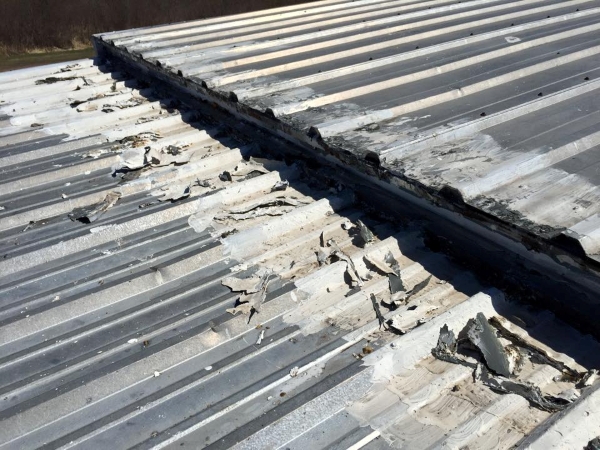
A leak or loose panel on a metal roof can have a localized cause, and identifying the actual defect or entry point is the starting point for a sound repair scope. CD Beiler Construction repairs residential metal roofs for homeowners in Havre de Grace, MD and the surrounding area. This guide explains the common causes of metal roof problems, how a proper repair is done and what to confirm before work begins.
Metal roofs are durable, but fasteners, seams, flashing and sealants can still wear or fail. To talk through a problem on your own roof, call 717-747-4037.
Common Metal Roof Problems
Metal roofing systems fail in different places than shingle roofs do. These are some of the usual trouble spots.
- Loose or backed-out fasteners. Exposed fasteners and sealing washers can loosen, age, or deteriorate as the roof moves and weathers.
- Open seams or laps. Where panels meet, an open or deteriorated joint can become a water-entry point.
- Damaged flashing. Flashing around chimneys, vents, skylights, and wall intersections can become a leak source and should be evaluated with the surrounding roof.
- Dents and punctures. Falling branches, debris, or impact can dent panels or damage the metal surface.
- Coating wear and corrosion. Scratches, coating wear, or other surface damage can expose metal and contribute to corrosion depending on the roof material and finish.
- Failed sealant. Sealants at penetrations and trim details can age, separate, or crack and may need compatible repair or replacement.
How a Metal Roof Repair Is Done
A repair should address the documented defect with materials and details compatible with the existing roof. The steps below describe common considerations.
- Trace the leak. Water can travel within the roof or building assembly before it appears inside, so an interior stain does not by itself identify the roof entry point.
- Identify the failure. Check fasteners, seams, flashing and sealant near the suspected area, and look for signs of corrosion.
- Use compatible materials. Metals, fasteners, sealants, and coatings should be compatible with the existing roof system. Material compatibility matters because some combinations can contribute to corrosion or adhesion problems.
- Repair or replace the failed part. That may involve fastener or washer replacement, compatible seam repair, flashing work, or replacement of a damaged panel section, depending on the roof and defect.
- Allow for movement. Metal roof details should account for the movement allowed by the existing panel system and the selected repair method.
- Clean up. Remove old sealant, fasteners and debris from the roof and the property.
A surface sealant patch may not address a failed fastener, flashing, seam, or concealed condition if the actual defect has not been identified. Ask a contractor what they found and what they will do about it.
Repair Options by Problem
The table below shows how common problems are typically handled and when the situation may call for more than a repair. It is a general guide, and an inspection confirms what applies to your roof.
ProblemTypical repairWhen more than a repair may be neededOpen or cracked seams and lapsPrepare and repair the joint with materials and detailing compatible with the existing panel system.Damaged flashingRepair or replace the flashing and related transition details with compatible materials.Scratched or worn coatingRepair or protect exposed areas using a method compatible with the roof material and finish.Failed sealant at penetrationsRemove failed sealant as needed and install compatible replacement sealant or flashing detail.
| Problem | Typical repair | When more than a repair may be needed |
|---|---|---|
| Loose or backed-out fasteners | Replace, re-secure, or otherwise repair fastener and washer details as appropriate for the existing panel system. | Fastener problems are widespread or recurring and may indicate broader panel, substrate, or movement conditions. |
| Open or cracked seams and laps | Prepare and repair the joint with materials and detailing compatible with the existing panel system. | Panel deformation, separation, or movement extends beyond a localized seam repair. |
| Damaged flashing | Repair or replace the flashing and related transition details with compatible materials. | Leak symptoms recur at multiple penetration or flashing details. |
| Dents or punctures | Repair or replace the affected panel section when the existing material and damage allow that scope. | Damage extends across multiple panels or affects broader roof-system performance. |
| Scratched or worn coating | Repair or protect exposed areas using a method compatible with the roof material and finish. | Coating or finish deterioration is widespread and may require a broader restoration or replacement evaluation. |
| Failed sealant at penetrations | Remove failed sealant as needed and install compatible replacement sealant or flashing detail. | Leaks recur after localized resealing, which can indicate a broader flashing or adjacent roof-detail problem. |
What to Do If You Think Your Metal Roof Is Leaking
Stay off the roof. Metal can be slick, especially when wet, and a fall can cause serious injury. From inside, document visible stains or active water where it can be done safely, and from the ground, note obvious loose trim, missing pieces, or impact damage. Protect belongings from active water only when that can be done safely. If you plan to talk with your insurance company, ask them directly about coverage, because it depends on your own policy. A roofing contractor can then inspect the roof safely and recommend a repair.
Repair or Replacement?

Localized metal-roof problems may be repairable when the surrounding panels, substrate, flashing, and attachment remain serviceable. A broader scope should be compared when damage affects multiple panels, corrosion is widespread, attachment or substrate problems extend beyond one area, or repairs keep recurring. Our article on the lifespan of residential metal roofing explains the factors that affect how long a metal roof lasts.
What a Repair Quote Should Include
When you evaluate proposals, look past the total and confirm what is covered.
- The specific problem areas and the suspected cause, ideally shown with photos
- The fasteners, flashing and sealants to be used and how they suit your metal roof
- How concealed moisture, decking, or substrate conditions will be handled if discovered
- Cleanup and protection for landscaping, gutters and finished surfaces
- Any recommended follow-up inspection, maintenance, or monitoring
Keeping a Metal Roof in Good Shape
Metal roofs still benefit from periodic inspection and maintenance appropriate to the roof system and exposure. Keep drainage paths clear, address branches or debris that contact the roof, and review visible conditions from the ground after significant weather. Our guide to metal roof repair covers more on what repairs involve, and our standing seam metal roofing page describes one of the metal systems we install.
Metal Roof Repair in Havre de Grace, MD
CD Beiler Construction is a family-led company with more than ten years in the trade, built on honesty, hard work and quality craftsmanship. If your metal roof is leaking, rattling or showing worn spots, reach out to us or call 717-747-4037 to talk through the repair.
Frequently Asked Questions
Can a leaking metal roof be repaired without replacing it?
Often, when the defect is localized and the surrounding panels, flashing, attachment, and substrate remain suitable for repair.
Why does my metal roof leak even though the panels look fine?
Water can enter at fasteners, laps, flashing, penetrations, damaged panels, or other roof details. Water can also travel before it shows up inside, so the leak may be farther away than the stain suggests.
Is it safe to seal a leak myself?
Metal-roof access should be handled by trained personnel using appropriate safety procedures. A surface patch may not address the actual defect, so the leak should be documented and evaluated.
How long does a metal roof repair take?
There is no single duration for every metal-roof repair. Timing depends on the defect, panel access, concealed conditions, repair materials, weather, and the extent of the work.