
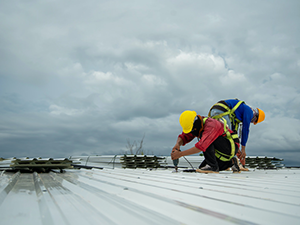
Winter in Ardmore, PA can bring heavy snow, fluctuating temperatures, and icy conditions, each of which can create serious risks for commercial roofing systems. A professional roof inspection before and during winter is one of the smartest investments commercial building owners can make to prevent leaks, structural stress, and costly repairs. If you want to ensure your roof is prepared for winter challenges in Ardmore, PA, you can reach CD Beiler Construction at (717) 747-4037 for assistance.
Winter Roof Inspection Tips to Prevent Ice Damage and Leaks
Commercial roofs carry a higher burden in winter because of their low slopes, expansive surface areas, and complex drainage systems. Ice accumulation, freeze-thaw cycles, and hidden moisture can quickly escalate into major problems. A winter-focused roof inspection identifies small issues before they become emergencies, helping protect your building, assets, and operations.
Check for Early Signs of Ice Dams
Ice dams form when heat escapes from the building, melts rooftop snow, and refreezes at the edges. For commercial buildings, this can lead to:
- Water backing up under roofing membranes
- Damaged flashing
- Saturated insulation
- Interior leaks
An inspection evaluates heat loss areas, insulation performance, and rooftop drainage to minimize ice dam risks. Preventing these dams is far more affordable than repairing the damage they cause.
Identify Weak Areas in the Roofing Membrane
Winter exposes vulnerabilities in commercial roofing materials, especially around seams, penetrations, and older membrane sections. Inspectors look for:
- Small tears
- Open seams
- Brittle spots caused by cold temperatures
- Blistering or bubbling
Early detection allows for targeted repairs before cold weather turns minor issues into widespread membrane failures.
Assess Drainage Systems Before Snowfall

Standing water becomes even more dangerous in winter because it freezes, expands, and adds weight to the roof. A proper winter roof inspection includes checking:
- Scuppers
- Gutters
- Downspouts
- Internal drains
- Roof pitch patterns
Debris removal and drainage adjustments ensure water flows off safely after snow melts. Without proper drainage, roofs are at high risk for leaks and structural stress.
Examine Roof Flashing and Perimeter Edges
Flashing is particularly vulnerable during winter because ice tends to accumulate around edges and penetrations. Inspectors look for:
- Loose metal flashing
- Gaps or lifted sections
- Cracked caulking
- Signs of past water infiltration
Strong flashing is essential for keeping water out, especially during winter storms.
Inspect HVAC Units and Rooftop Equipment
Rooftop HVAC units can trap snow, create warm spots, and encourage ice formation around their bases. Winter inspections include:
- Checking for deteriorated seals
- Inspecting curbs
- Ensuring panels are secure
- Testing drainage pathways around units
These checks prevent leaks that often begin near rooftop equipment.
Evaluate Snow Load Capacity and Weight Distribution
Commercial buildings in Pennsylvania must adhere to load-bearing standards, but accumulated snow or ice can exceed expectations. A winter inspection estimates:
- Load distribution
- Areas prone to drifting
- Structural weak points
This information guides safe snow removal strategies to prevent deck damage or collapse.
Proactive Winter Maintenance Planning
Roof inspection is only the first step. Commercial building owners benefit from a proactive winter maintenance plan built around inspection findings.
Repair Minor Issues Before the First Freeze
Even small repairs, like sealing a seam or tightening flashing, can prevent major winter leaks. Addressing these issues early avoids emergency service calls during freezing conditions.
Establish a Snow and Ice Removal Plan
Professional removal prevents membrane punctures, overload, and ice buildup. A good plan outlines:
- Which areas require priority clearing
- How snow should be removed safely
- Access points for maintenance crews
Schedule Inspections After Storms
Heavy storms often reveal new issues. Follow-up inspections help diagnose:
- New punctures
- Ice dam formation
- Gutter blockages
- Drain freezing
These quick checks minimize long-term damage.
Thorough Roof Inspection Services
Reliable roof inspection is one of the most effective ways to avoid ice damage and winter leaks for commercial buildings in Ardmore, PA. With freezing temperatures approaching, taking preventive action now helps ensure your roof performs throughout the season. For winter preparation support and inspection services, contact CD Beiler Construction at (717) 747-4037 and protect your building’s most essential barrier.
FAQ
What are the biggest winter threats to commercial roofs?
Ice dams, freeze-thaw cycles, ponding water, and heavy snow loads can all cause serious damage.
Can winter roof inspections identify hidden moisture problems?
Yes. Inspectors look for membrane irregularities, trapped moisture, and insulation issues that may worsen in cold weather.
What makes flat commercial roofs vulnerable in winter?
Their low slope allows water and ice to accumulate, increasing the risk of leaks and added structural stress.
Is it safe to remove snow from a commercial roof without professionals?
No. Incorrect removal can damage the membrane or cause uneven load shifts. Professional guidance is recommended.