
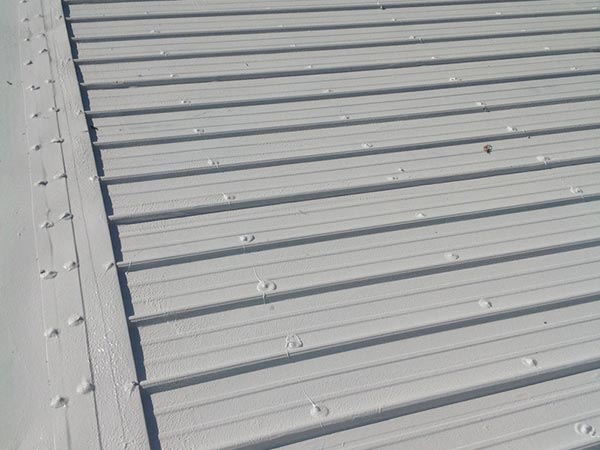
A metal roof does more than keep water out of your Lancaster commercial building. It reflects heat, works with the insulation below it, and helps hold down energy costs. When damage sets in, metal roof repair is often what restores that performance.
Call CD Beiler Construction at 717-747-4037 for metal roof repair in Lancaster, PA.
Metal Roof Repair Restores Lost Energy Savings
A metal roof reflects a good share of the sun’s energy while its surface and coating stay intact. Once panels corrode, fasteners back out, or seams open up, that reflective surface breaks down and heat starts finding its way in. On a Lancaster warehouse or barn-style building, a metal roof covers a wide, exposed span the sun hits all day.
Repair restores the system’s ability to perform efficiently, which is where the energy savings come from. A roof that slips in performance rarely announces it, so the cost shows up slowly on the utility bill. Catching that slide early is the difference between a small fix and a full recoat, and it usually starts at the surface.
How Damage Decreases Reflectivity

The coating on a metal panel is what pushes sunlight away. Rust, chalking, and a worn finish leave the bare metal absorbing heat instead of reflecting it. On a warm Pennsylvania afternoon, that raises the temperature under the roof and makes the cooling equipment work harder. Chalking often looks like a faint powder that rubs off on your hand, an easy field sign the coating is spent.
Restoring or recoating those surfaces during repair returns the reflectivity the roof started with. A clean, coated panel sheds heat that a corroded one would hold. Once the surface is handled, the insulation underneath is the next thing worth checking.
Metal Roof Repair Affects Insulation Positively
Even a small leak in a metal roof soaks the insulation below it. Wet insulation loses much of its ability to slow heat transfer, so the building leans harder on heating and cooling to stay comfortable. That shows up on utility statements long before the leak becomes obvious inside. In an older manufacturing building, wet insulation can sit undetected above a drop ceiling for months.
Timely repair dries out or replaces that insulation and seals the entry point. The longer moisture sits, the more insulation it ruins and the wider the eventual fix becomes. In a climate that swings as hard as Pennsylvania’s, staying ahead of these issues helps keep the roof performing properly.
Metal Roof Repair in Pennsylvania
Pennsylvania runs through hard winters and humid summers, and both test a metal roof. Freeze-thaw cycles loosen fasteners and open seams, while summer heat magnifies any lost reflectivity. A roof left alone works against your energy budget in every season. Agricultural and light-industrial roofs around Lancaster take that seasonal beating year after year.
The wear is constant, even when the roof looks fine from the ground, and small openings from one winter become the leaks of the next. Staying ahead of it keeps the roof performing the way it was designed to. The savings come from a system that is whole, sealed, and still reflective.
Protect Your Energy Costs with Metal Roof Repair
A sound metal roof is one of the simplest ways to hold energy costs steady on a Lancaster building. If yours is showing rust, leaks, or worn coating, metal roof repair can bring its performance back. For metal roof repair in Lancaster, PA, call CD Beiler Construction at 717-747-4037 today.
FAQ
Can a leaking metal roof be repaired instead of replaced?
In many cases, yes. Sealing seams, replacing fasteners, and recoating panels can restore a metal roof that is structurally sound but showing wear.
How does metal roof repair lower energy bills?
Repair restores the roof’s reflective surface and dries out wet insulation, so the building holds temperature better and heating and cooling systems run less.
What are early signs a metal roof needs repair?
Watch for rust streaks, loose or backed-out fasteners, chalky faded coating, and interior stains. These point to lost reflectivity or moisture getting in.