
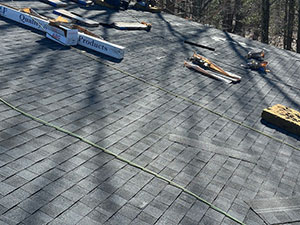
A shingle roof works as a system, not as a single layer of shingles. For a home in Kensington, PA, dependable performance depends on the roof deck, underlayment, flashing, starter shingles, field shingles, and attic ventilation working together. CD Beiler Construction installs residential shingle roofing systems and can help homeowners understand how each part protects the home. Call (717) 747-4037 to discuss a roofing project.
Start With a Sound Roof Deck
The roof deck is the base that supports the roofing materials above it. Before new shingles are installed, the deck should be checked for soft areas, rot, delamination, loose sections, or other damage that could keep fasteners from holding properly.
A new shingle layer cannot correct a weak or damaged deck. If deterioration is found after tear-off, the affected sections should be repaired or replaced before the new roofing assembly is installed. That gives the shingles and flashing a stable surface to attach to and helps avoid covering over hidden problems.
Underlayment Provides Secondary Protection
Underlayment sits between the roof deck and the shingles. It serves as a secondary water-shedding layer and helps protect the deck during installation and when wind-driven rain reaches beneath the shingles.
Ice-and-water protection may also be used in vulnerable areas such as eaves, valleys, and around penetrations when the roof design, local requirements, or installation specification calls for it. These materials do not replace shingles or flashing, but they add protection in areas where water is more likely to collect or back up.
Flashing Protects Roof Transitions
Many roof leaks begin where the roofing surface changes direction or meets another building component. Chimneys, sidewalls, valleys, skylights, plumbing vents, and other penetrations all need correctly installed flashing to direct water back onto the roof surface.
Flashing should be treated as part of the roofing system, not as a finishing detail. Reusing worn, poorly fitted, or damaged flashing can leave a weak point even when the surrounding shingles are new. Homeowners should ask what flashing will be replaced, what can remain, and how each transition will be handled.
Starter Shingles and Fastening Matter
Starter shingles help secure the first course at the roof edges and support wind resistance at eaves and rakes. Field shingles also need to be fastened according to the product’s installation requirements so the roof can perform as intended.
Fastener placement, number, and depth all matter. Nails that are overdriven, underdriven, or placed outside the intended fastening area can reduce the shingle’s ability to stay secure. CD Beiler Construction’s shingle roof replacement information for Kensington provides additional context on how the full system is rebuilt during replacement.
Ventilation Supports the Roof Assembly
Attic ventilation can help manage heat and moisture when the home and roof design use a vented attic. A balanced system typically uses intake and exhaust ventilation so outside air can enter low and leave high.
Ventilation requirements depend on the home’s construction, insulation, attic configuration, and the roofing product being installed. It should not be treated as a universal fix for every roofing problem. The installer should evaluate the existing setup and confirm what ventilation approach is appropriate for the home and consistent with the selected roofing system.
Know What Shingles Do and Do Not Do

Shingles are the primary exposed water-shedding surface, but they depend on the rest of the assembly. A premium shingle cannot compensate for a deteriorated deck, poorly installed flashing, missing underlayment, or an incompatible ventilation setup.
Likewise, a roof that looks clean from the ground can still have problems around valleys, penetrations, edges, or concealed deck areas. When leaks, granule loss, missing shingles, or recurring repairs raise concerns, the next step should be a condition-based inspection rather than an assumption that the entire roof needs replacement.
Repair or Replacement Depends on the Condition
Localized damage may support a repair when the surrounding shingles, deck, and flashing remain serviceable. Widespread shingle deterioration, repeated leaks, extensive deck damage, or multiple failing details can make replacement more reasonable.
The decision should be based on what the inspection finds, not roof age alone. If replacement is recommended, ask which parts of the assembly are included in the scope and whether deck repairs, underlayment, flashing, ventilation, disposal, and cleanup are clearly described.
Shingle Roofing in Kensington, PA
A durable shingle roof depends on the full assembly. Deck condition, underlayment, flashing, fastening, starter shingles, ventilation, and the shingles themselves each have a specific job. CD Beiler Construction provides residential shingle roofing in Pennsylvania and can help Kensington homeowners understand which parts of an existing roof need attention. Call (717) 747-4037 to discuss the next step.
Frequently Asked Questions
What is underneath asphalt shingles?
A typical shingle roof includes a structural roof deck, underlayment, flashing, starter shingles, field shingles, and ventilation components where the attic design requires them.
Why is flashing important on a shingle roof?
Flashing directs water away from valleys, walls, chimneys, vents, skylights, and other transitions where leaks are more likely to develop.
Does attic ventilation affect shingle roofing?
It can. In vented attic designs, properly planned intake and exhaust ventilation can help manage heat and moisture, but the correct setup depends on the home and roofing system.
How do I know whether shingles need repair or replacement?
Localized defects may be repairable, while widespread deterioration, repeated leaks, or deck damage can support replacement. The decision should follow an inspection of the whole roof assembly.